Alcohol Abuse & Addiction: How We Help Clients and Families
Alcohol abuse and Alcohol Use Disorder (AUD) are medical conditions—not moral failings. They change the brain’s reward, stress, and self-control systems, which is why “just stopping” rarely works for long. At Elk Ridge Recovery in Northwestern Montana, we treat alcohol addiction with the same seriousness as any health condition through comprehensive assessment, 24/7 clinical support, structured therapy, medication management, and practical family support. If you’re searching for alcohol rehab in Montana, our team provides a compassionate, evidence-based path forward for clients and the people who love them.
Understanding Alcohol Abuse vs. Alcohol Addiction (AUD)
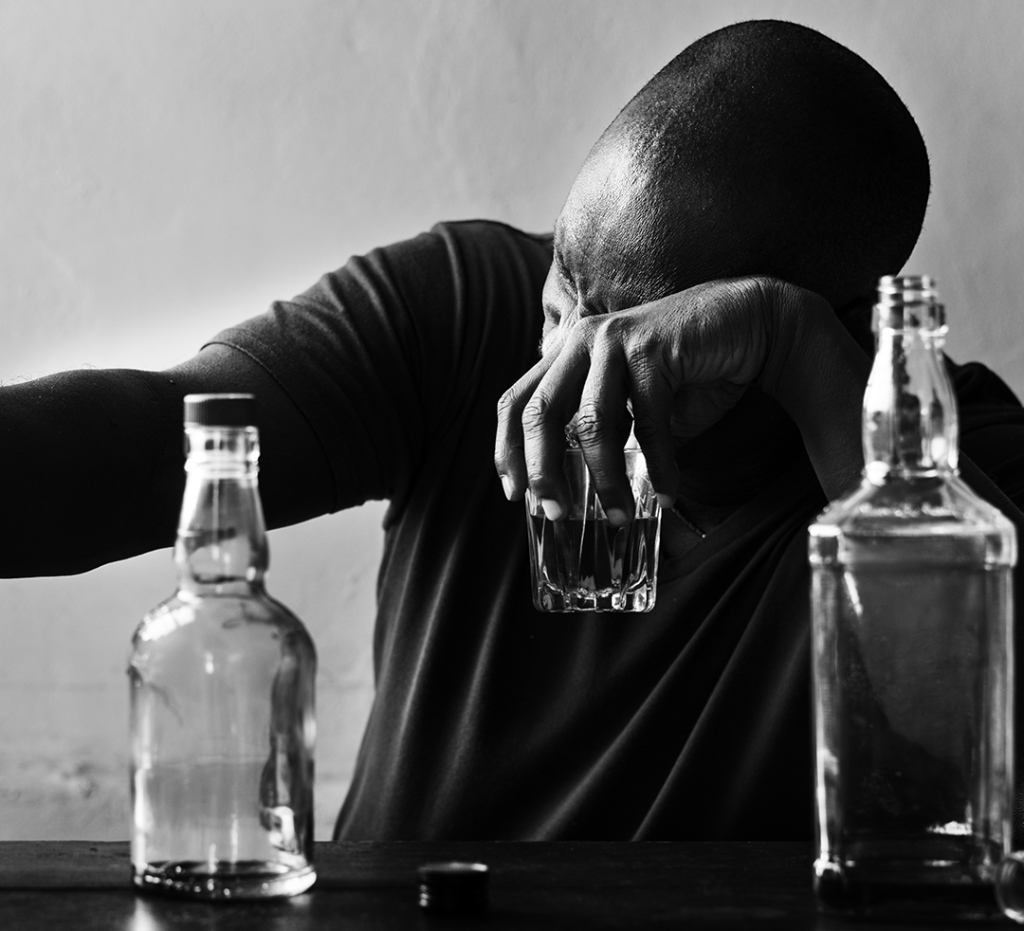
Alcohol abuse typically looks like patterns of heavy or risky drinking—blackouts, missed responsibilities, relationship conflict, or using alcohol to cope with stress. Over time, abuse can progress to Alcohol Use Disorder, marked by:
Loss of control (drinking more or longer than intended)
Persistent cravings and preoccupation with alcohol
Tolerance (needing more to feel the same effect)
Withdrawal symptoms (tremor, anxiety, sweating, insomnia; in severe cases seizures or delirium tremens)
Continued use despite health, legal, or work problems
Because AUD affects thinking, mood, sleep, and decision-making, professional care is often necessary to break the cycle safely.
Why “Quitting Cold Turkey” Can Be Dangerous
Alcohol withdrawal ranges from uncomfortable to life-threatening. People with a long or heavy drinking history, or those who combine alcohol with benzodiazepines or other sedatives, face higher medical risk. That’s why Elk Ridge Recovery begins, when indicated, with physician-led, 24/7 care in Montana:
Continuous nursing and medical oversight
Targeted medications to reduce withdrawal symptoms and seizure risk
Hydration, nutrition, and sleep support to stabilize the body
A plan to move directly into treatment once you’re medically safe
Detox clears the fog so therapy can actually work.

What a Session Looks LikE
1) Relational Admissions & Assessment
From the first confidential call, we listen. We map your drinking pattern, medical history, mental health (depression, anxiety, PTSD, bipolar spectrum), and home environment. We involve loved ones, with your consent, to understand stressors and strengths. The result is a personalized care plan with clear goals.
2) Residential Inpatient Alcohol Rehab
Structure protects early recovery. In our inpatient alcohol rehab you’ll have round-the-clock support and a full schedule of evidence-based care:
- CBT (Cognitive Behavioral Therapy) to identify triggers, challenge thinking traps, and rehearse new responses
- DBT skills for emotion regulation, distress tolerance, and healthier boundaries
- EMDR (when appropriate) to process trauma that often fuels drinking
- Medication management for mood, sleep, and craving support
- Nature-supported routines (guided walks, breathwork, mindfulness) that steady the nervous system
- Family therapy & education so everyone learns the same tools and expectations
Typical length is ~30–45 days, adapted to your progress and safety.
4) Step-Down Care: PHP → IOP → OP
Real life returns gradually. Our Partial Hospitalization Program (PHP) delivers full-day treatment 5–6 days/week; IOP offers 3–5 days/week (~3 hours/day); Outpatient (OP) keeps a steady therapy cadence (1–2 sessions/week). Across these levels, we keep building relapse-prevention, skills, and confidence—while you rebuild work, school, and family routines.
5) Medications for AUD (When Clinically Indicated)
We may discuss naltrexone (oral or long-acting), acamprosate, or disulfiram for specific cases. Medications don’t replace therapy—they augment it by lowering cravings or helping the brain recalibrate after long-term drinking.
6) Family Support That Actually Helps
Families don’t cause AUD, but they can be vital to recovery. We offer:
- Weekly family therapy (in person or secure telehealth)
- Skills classes on boundaries, communication, and relapse-response planning
- Guidance on sleep, stress, and home routines that protect sobriety
- Family Weekend Intensives and step-down planning so home life and treatment aren’t at odds
With your consent, we keep loved ones appropriately informed and aligned with your plan.
Addressing the Whole Person: Dual Diagnosis & Purpose
Alcohol problems frequently co-occur with depression, anxiety, PTSD, bipolar spectrum, ADHD, and sleep disruption. Our dual diagnosis treatment integrates psychiatry and therapy under one roof.
We also emphasize vocational and life-skills—time management, healthy routines, and job/school readiness—because purpose is a powerful relapse-prevention tool.
When Getting to Treatment Is the Hurdle
If fear, conflict, or intoxication make travel difficult, we can coordinate Interventions and Sober Transport (door-to-door, discreet, safety-first) to ensure a calm, dignified arrival at inpatient rehab.
The goal is momentum, not confrontation.

Life After Rehab: Staying Well
Recovery is a process, not a finish line. Many clients continue with:
- Sober Coaching for accountability and between-session skill application
- Alumni groups and peer mentorship
- (Launching year one) Sober Living for structure during early reintegration
These supports, layered with OP therapy and medication follow-ups, reduce relapse risk and keep your plan on track.
Is Elk Ridge Recovery Right for You (or Your Family)?
Choose a higher level of care if you’ve had complicated withdrawals, daily heavy use, repeated relapse, unsafe triggers at home, or significant mental-health symptoms. We’ll help you decide the right level of care during admissions and verify insurance for inpatient rehab in Montana, PHP, IOP, and OP. Self-pay options are available.
You’re not broken—you’re treatable
If you or someone you love needs alcohol addiction treatment in Montana, Elk Ridge Recovery offers a humane, structured path to stability and a meaningful life. Contact us for confidential admissions, insurance verification, and travel coordination today.