What to Expect at Elk Ridge Recovery
Starting treatment is a brave decision. Here’s a clear, step-by-step look at what to expect at Elk Ridge Recovery—from the first call and admissions to hospital or partner referrals for detox , residential inpatient, PHP, and aftercare. Our goal is to make entry simple, safe, and supportive so you can focus on healing.
Before You Arrive: Admissions Made Simple
1) Confidential call & pre-assessment
We’ll review your history, current symptoms, medications, and any co-occurring mental health needs (anxiety, depression, PTSD, bipolar, ADHD). This helps our clinical team tailor your plan from day one.
2) Insurance verification
We check benefits quickly and explain coverage for in Montana, inpatient rehab, PHP, IOP, and Outpatient (OP). Self-pay options are available.
3) Travel coordination
Driving in? Flying in? We’ll help with logistics. If travel feels overwhelming, ask about our Sober Transport (door-to-door escort) so you can arrive safely and calmly.
4) Interventions (optional)
If conversations at home aren’t working, we can organize a professional intervention and immediate admission plan.
What to Pack (and What Not to)
Bring:
Photo ID, insurance card, prescription list (in original bottles)
Comfortable, weather-appropriate clothing (Montana layers), closed-toe shoes, modest workout wear
Simple toiletries (alcohol-free), glasses/contacts, and a small notebook
Limited cash and one debit/credit card
Leave home:
Illicit substances, alcohol, weapons, and vaping devices or paraphernalia
Valuables and large electronics (device access is limited early on)
Tech policy: In residential and PHP, device access may be offered in structured windows with clinical approval so you can handle essential life tasks without losing treatment focus. Ask admissions for current guidelines.
Day One: Check-In & Medical Evaluation
Welcome & privacy: We review consents, confidentiality (HIPAA), and your preferences for communication with loved ones.
Medical exam: Vitals, labs (as indicated), medication reconciliation, and withdrawal risk assessment.
Safety & comfort: We store valuables, orient you to your room, and introduce the care team.
First steps: If you’re entering, we begin physician-led stabilization immediately. If not detoxing, you’ll meet your primary clinician to start your residential inpatient plan.


Residential Inpatient: Structure + Nature
A calm, structured setting with round-the-clock support and a full clinical schedule.
Daily rhythm (example):
Morning: breakfast, mindfulness, light movement; individual therapy (1–2x/week))
Midday: skills groups (CBT, DBT), process groups, psychoeducation
Afternoon: experiential therapy (guided hikes, breathwork, creative work), life-skills/vocational blocks
Evening: community time, peer support, reflection, and wind-down for healthy sleep
Clinical focus: integrated dual diagnosis care, EMDR when appropriate, medication management, and relapse-prevention planning from day one.
Typical length: ~30–45 days, personalized to your progress and safety.
PHP, IOP & OP: Step-Down With Support
Partial Hospitalization (PHP): 5–6 days/week, full-day programming without overnight stay. Ideal step-down from residential or higher-intensity entry point. Typical duration 4–6 weeks.
Intensive Outpatient (IOP): 3–5 days/week, ~3 hours/day (daytime or evening when available). Typical duration 6–10+ weeks.
Outpatient (OP): 1–2 sessions/week to maintain gains, adjust meds, and troubleshoot real-life stressors.
Throughout step-down care you’ll continue CBT/DBT skills, trauma-informed therapy, medication management, and relapse-prevention—all grounded in Montana’s calming natural environment.
Family Support & Visitation
With your consent, families are invited into care through:
Weekly family therapy (in person or secure telehealth)
Education groups on boundaries, communication, and relapse-response planning
Visitation once clinically cleared and aligned with your goals
Family Weekend Intensives (periodic) to strengthen your home plan
Nutrition, Wellness & Montana Outdoors
Balanced meals, hydration, and sleep hygiene are built into the schedule.
Nature-supported practices (mindful walks, breathwork, seasonal activities) help regulate the nervous system and reduce anxiety.
Fitness options are modest and safety-screened. We focus on sustainable routines, not extremes.
Safety, Testing & Confidentiality
Trauma-informed care and respectful boundaries at every step
Regular toxicology testing to guide clinical decisions (never to shame)
HIPAA-compliant communication; you choose who receives updates
If medical or psychiatric acuity increases, we coordinate higher-level care immediately
Medication & MAT
We provide medication management for mental health and—when clinically appropriate—Medication-Assisted Treatment (MAT) for alcohol and opioids (e.g., buprenorphine, naltrexone). MAT decisions are individualized and always paired with therapy and skills.
Aftercare, Sober Living & Alumni
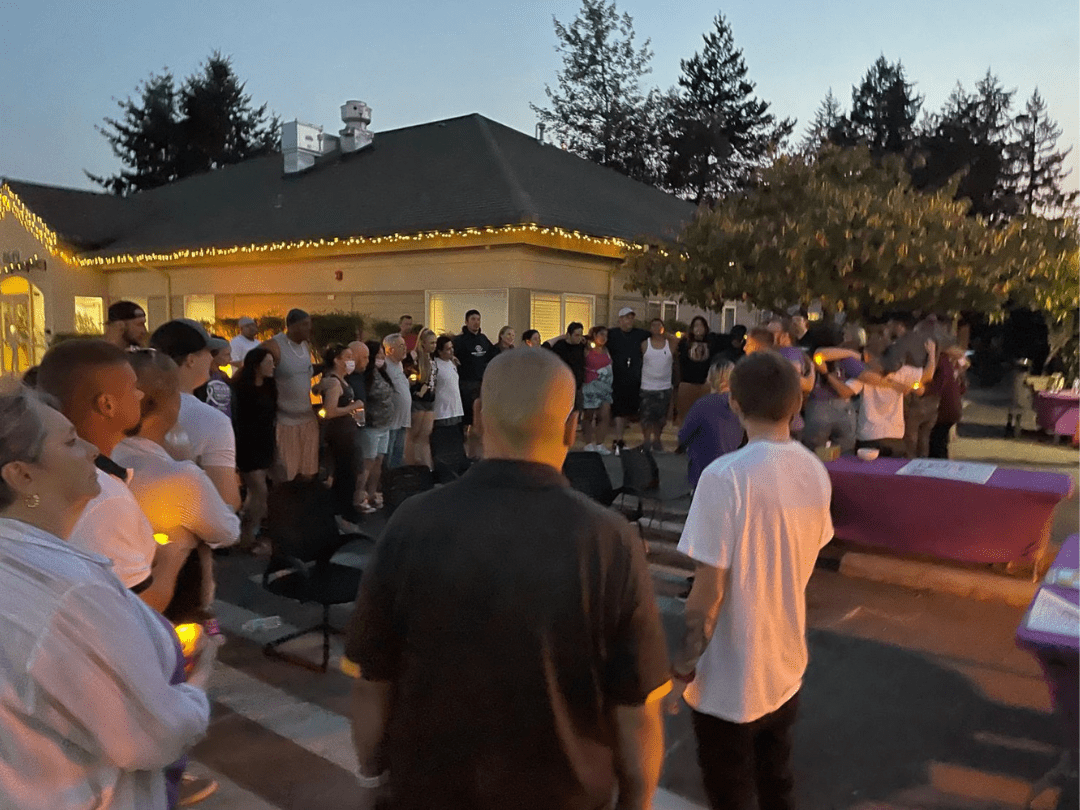
Discharge planning starts at admission. Many clients step from residential → PHP → IOP → OP, then stay engaged through Sober Coaching, alumni meetings, and community supports.
Sober Living is planned to launch in our first year to add structure and accountability during reintegration.