Key Takeaways
- Watch for a cluster of changes—sleep-wake cycles, weight loss, paranoia, financial gaps, skin picking—rather than a single sign, and skip home drug tests that only erode the trust you’ll need later.
- Stabilize the home before any confrontation by keeping naloxone on hand, securing firearms and medications, and posting 911, 988, and SAMHSA’s helpline where you can find them at 2 a.m.
- Time the conversation for a rested, fed moment, lead with ‘I love you and I’m worried,’ and ask for one small yes like an assessment—not a full commitment.
- Skip the ambush-style intervention; meth-driven paranoia turns surprise confrontations into psychiatric emergencies, and quieter family-involved conversations match what the evidence actually supports.13
- When your loved one opens the door to care, know that no FDA-approved meth medication exists—contingency management plus behavioral therapy carries the strongest evidence.11, 14
- Vet Montana programs by asking about DPHHS licensure, ASAM levels of care, Medicaid coverage, and whether contingency management is offered, now a covered benefit for stimulant use disorder.9, 17, 18
- Expect a non-linear recovery with relapses and rough weeks, and protect your own sleep, work, and relationships so you can keep showing up over the long haul.
When You’re the One Who Notices First
You have probably been carrying this for a while. Maybe it started with a missed shift, a $200 gap in the checking account, or the way your son’s jaw kept clenching at Thanksgiving. Then came the three-day disappearance, the story that didn’t line up, the door locked in the middle of the afternoon. By the time someone types “how to help someone addicted to meth” into a search bar, they usually already know. What they’re really looking for is what to do next.
Here is what you need to hear first: you cannot force your loved one to stop using methamphetamine, and no article, no ultimatum, no perfectly worded speech is going to flip a switch. That is not a failure on your part. It is the shape of this particular drug and this particular disease. What you can do is change the conditions around them—safety at home, how you talk, what you say yes and no to, and how quickly a real treatment door opens when they reach for it. That is the work of the next few pages, and it is enough. Every honest step you take from here counts.
The Four-Stage Family Playbook
Most guides you will find online start with a list of warning signs and end there. That leaves you with a diagnosis and no plan. The rest of this article gives you a plan instead—four stages you can move through at your own pace, in the order that fits your household right now.
Recognize the pattern without turning your kitchen into a crime scene. You are looking for a shift in how your loved one lives, not a single tell.
Stabilize the household so a bad night does not become a funeral. That means naloxone, a safety plan, and knowing which number to call when.
Open the conversation in a way that accounts for the paranoia and sleep loss meth causes. The script matters more than the speech.
Hand off to clinical care when your loved one gives you even a small opening—an assessment, a phone call, a ride to detox. Family involvement here measurably improves engagement and retention.13
Recognize the Pattern Without Playing Detective
What Meth Use Actually Looks Like at Home
You are not looking for a single smoking-gun symptom. You are looking for a shift in how your loved one moves through their own life.
The pattern that families describe most often has a rhythm. There are stretches of intense wakefulness—two, three, sometimes four days without real sleep—followed by a hard crash where the person disappears into a bedroom and sleeps through everything. Appetite drops. Weight comes off faster than it should. Speech speeds up during the wake stretches, and thoughts jump between topics that don’t quite connect. Jaws clench. Skin gets picked at until sores show up on the arms, face, or chest. Teeth start to go.11, 10
The emotional pattern shifts too. You may notice unusual irritability, sudden mood swings, or a suspicion that feels new—accusations that you are going through their phone, that a neighbor is watching the house, that someone in the family is against them. In more serious episodes, paranoia can tip into hallucinations, and suicidal thoughts can surface during the crash days.1, 10
Then there is the life stuff. Money that doesn’t add up. A job that used to matter now missed twice a week. Old friends replaced by new ones you have never met. The car gone for a night with no explanation.
Why You Should Not Try to Diagnose or Drug-Test Them Yourself
Here is the tempting move: buy a drug test at the pharmacy, wait until they’re asleep, and settle the question tonight. Please don’t.
The signs you’re seeing overlap with a lot of other things—untreated bipolar disorder, severe anxiety, sleep deprivation, other stimulants, medical emergencies. Even trained clinicians need an assessment to sort intoxication from withdrawal from an independent psychiatric condition.1, 10 A home test cannot do that work, and a confrontation built on one strip almost always ends with a slammed door instead of a treatment call.
Searching their room, secretly testing them, or trying to catch them in a lie also breaks the one thing you need most later: enough trust that they will pick up the phone when you call. Your job right now is to notice the pattern, write down what you’re seeing with dates, and hand that information to a professional who can actually assess it.
Stabilize the Household Before You Say a Word
The Naloxone Question in a Meth-Affected Home
You may be reading this and thinking, “Naloxone is for opioids. My son uses meth. Why would I need it?” That is exactly the assumption this section is here to interrupt.
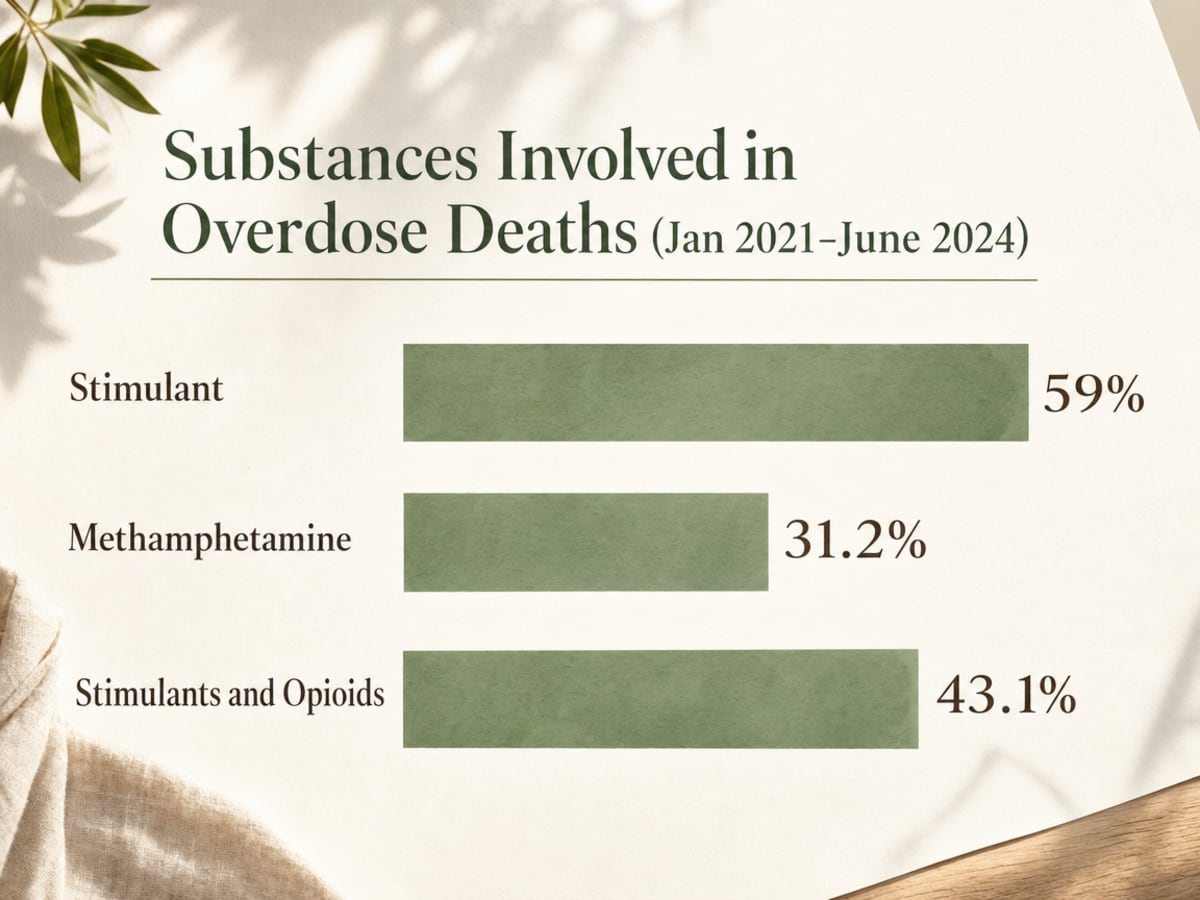
The illicit stimulant supply is no longer clean, if it ever was. What people buy as meth can contain fentanyl—sometimes because a dealer is careless, sometimes because the same equipment touched both, sometimes on purpose. Your loved one may have no idea, and neither will you. The CDC data makes the scale hard to miss: of 309,274 overdose deaths from January 2021 through June 2024, 31.2% involved methamphetamine, and 43.1% involved both stimulants and opioids together, while 15.9% involved stimulants without opioids.5 Read that middle number again. Nearly half of those overdose deaths involved a stimulant and an opioid at the same time.
So yes—keep naloxone in the house even if your loved one has never touched a pill or a needle they knew was opioids. Keep a second dose in the glove box of the car. Learn how to use it before you need it. Your local pharmacy sells it over the counter in most states, and many public-health departments give it out for free.
One honest caveat: naloxone does not reverse a stimulant overdose itself. It only works if opioids are part of what is happening in the body.16 But given what the supply looks like right now, having it and not needing it is a much smaller problem than the opposite.
911 vs. 988 vs. a Treatment Line: Which Number to Call Right Now
At 2 a.m., when your daughter is pacing the living room and saying things that do not make sense, you do not want to be researching phone numbers. Put them on the fridge now, before you need them.
Call 911 when the situation is a medical emergency. That means chest pain, a seizure, a collapse, unresponsiveness, skin that is dangerously hot to the touch, or any sign of a suspected overdose. Methamphetamine toxicity can trigger heart attack, stroke, hyperthermia, and dangerous cardiac rhythms, and none of that waits for a good time.1, 15 If you are unsure, err on the side of calling. Tell the dispatcher what you know—including that you suspect stimulant use and possible opioid exposure—so paramedics arrive ready.8
Call 988 when the crisis is emotional or psychiatric but not a medical emergency in progress. This is the Suicide and Crisis Lifeline. Use it when your loved one is talking about wanting to die, is deep in a paranoid episode without medical danger, or when you—the person holding all of this together—need someone to talk to at 3 a.m. The CDC directs families toward 988 for exactly this kind of situation.7
Call a treatment line—SAMHSA’s 1-800-662-HELP or a Montana program directly—when your loved one has said something that sounds like an opening. “I’m tired.” “I can’t keep doing this.” “Maybe.” Those are handoff moments. SAMHSA’s helpline runs 24 hours, is free, and does referrals in every state.7
One number does not replace another. A night can move from a treatment call to a 988 call to a 911 call in an hour. You are allowed to use all three.
Protecting Children, Pets, and Yourself Without Escalating
Stabilizing the household does not mean turning it into a fortress. It means small, quiet changes that reduce risk without lighting a fuse.
Lock up prescription medications, especially anything controlled, and move car keys somewhere out of easy reach during crash days when judgment is impaired. If there are firearms in the house, get them out—to a relative, a friend, or a locked storage facility. That single step matters more than almost anything else you will do this week, because paranoia and suicidal thoughts can surface during meth use and withdrawal.1, 10
If young children live in the home, decide in advance where they go if a night goes sideways. A packed overnight bag in a closet, a grandparent on standby, a code word with a neighbor—these arrangements feel dramatic until the moment you need them and are grateful they exist.
Your own safety counts too. If your loved one becomes threatening, leave. Take the kids and the dog. You can love someone and still refuse to be in the room with them when they are dangerous. Walking out is not abandonment. It is the boundary that keeps the door open for the conversation you will have tomorrow.
Open the Conversation Without Setting Off Paranoia
Timing, Setting, and the First Sentence Out of Your Mouth
Timing is almost everything here. Methamphetamine keeps people awake for days and then drops them into a hard crash, and neither end of that swing is when you want to talk. During the wake stretch, paranoia and irritability run high, and reasoning with someone who is convinced you are working against them will not land the way you hope.1, 10 During the deep crash, they cannot really hear you.
Aim for the in-between. Look for a morning after they have slept, eaten something, and had a shower—when the body has come back online but the day has not gotten loud yet. A weekend breakfast. A drive to run an errand together. The bench in the backyard.
Pick a private setting where no one else is watching, and where they can leave if they need to. Do not corner someone in a bedroom or a car with the doors locked. Sit at an angle rather than directly across the table, keep your hands visible and relaxed, and lower your voice a notch below normal.
Your first sentence sets the temperature. Try, “I love you, and I’m worried about you.” Not, “We need to talk.” One opens a door. The other slams it before you have said anything real.
A Script You Can Actually Use at the Kitchen Table
You do not need a speech. You need a few sentences you can say without your voice cracking, and a willingness to stop talking after each one.
Start with what you have seen, not what you have decided. “I noticed you have not slept in a few days, and you lost the job at the shop last month. I am not here to fight. I am scared.” Concrete, specific, dated. No labels, no diagnosis, no “you’re an addict.”
Then name what you are asking for, and keep it small. “Would you be willing to talk to someone with me this week? Just an assessment. You do not have to decide anything today.” A single, low-stakes yes is the goal. Not detox by Friday. Not a confession.
Expect pushback. Denial, anger, tears, walking out—any of it. Do not chase them down the hallway. Say, “I love you. I am not going anywhere. When you are ready to talk, I am here.” Then let it sit.
Evidence backs this kind of family-involved, motivational approach: family-centered care has been linked to better treatment engagement, retention, and family functioning across dozens of studies.13, 4 The quiet conversation is doing more work than it feels like it is.
Why a Formal Ambush Intervention Is the Wrong Move for Meth
You have probably seen the television version. A dozen relatives in a hotel conference room, letters read aloud, a car idling outside to drive the person straight to treatment. For alcohol, for some opioid situations, that model has a track record. For methamphetamine, it is often the wrong tool.
A slower, family-involved approach—one honest conversation, then another, with the door held open—matches what the evidence supports and what meth-affected brains can actually process.13 If you want backup, hire a licensed interventionist trained in motivational, invitational models, not ambush ones. And if your loved one is in active psychosis, this is not a conversation. It is a call for medical help.
Hand Off to Clinical Care When the Window Opens
What Treatment Actually Looks Like—And What It Won’t Do
When your loved one says “okay, I’ll try,” you want to be ready with an honest picture of what happens next—not a brochure.
Here is the piece most families are not told upfront: there is no FDA-approved medication for methamphetamine use disorder. Nothing like methadone or Suboxone exists for meth. The strongest evidence sits with behavioral treatment, and specifically with contingency management—a structured program that gives small, tangible rewards for negative urine screens and program attendance. Reviews of stimulant-use-disorder treatment consistently find that contingency management improves retention and abstinence in ways other therapies have not matched.11, 14 It is typically paired with cognitive-behavioral therapy, motivational interviewing, community-reinforcement approaches, or Matrix-style programs.12
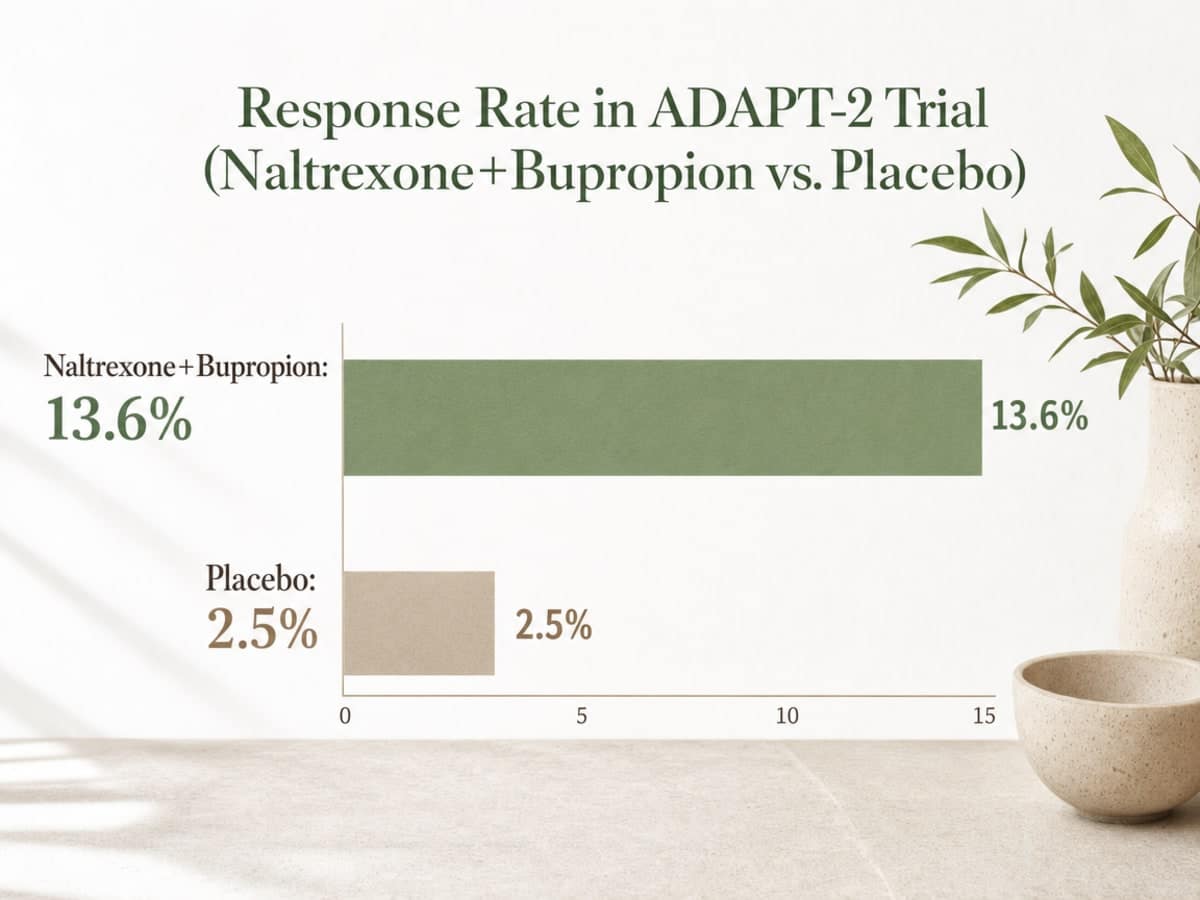
Medication research is moving, but slowly. The largest recent trial studied extended-release injectable naltrexone combined with oral extended-release bupropion. The weighted response rate was 13.6% on the active regimen versus 2.5% on placebo.3 That is a real signal, and for some people it will matter. It is not a cure, and no clinician should present it as one.
What treatment will do is give your loved one a structured window—medically monitored detox if needed, then residential or outpatient care with real therapy, real accountability, and real support for the depression, anxiety, and sleep problems that come with early recovery. What it will not do is guarantee an outcome. That is a hard sentence to sit with, and it is the truth.
Vetting a Montana Program: Licensure, Levels of Care, and Medicaid
When you make the call, you are also the family member vetting the program. A few concrete questions save weeks of confusion later.
Start with licensure. In Montana, substance-use-disorder facilities are licensed through the Office of Inspector General’s Licensure Bureau at DPHHS.9 Ask directly: are you a licensed SUD facility, and what levels of care are you authorized to provide? A program should be able to answer in one sentence.
Then ask about the continuum. The levels of care most families end up moving through—medical detox, residential, partial hospitalization, intensive outpatient, outpatient, and recovery support—are aligned with ASAM criteria, and Montana Medicaid has expanded coverage across all of them.18 If your loved one has Medicaid, ask whether the program takes it, at which levels, and what the intake timeline looks like.
Ask about contingency management specifically. As of July 1, 2025, Montana Medicaid covers contingency management for adults whose primary diagnosis is stimulant use disorder, delivered through approved outpatient facilities and qualifying providers.17 That is the treatment with the strongest evidence for meth, and it is now a covered benefit in your state. If a program cannot tell you whether they offer it or refer to it, keep dialing.
Where Elk Ridge Recovery Fits in the Next Phone Call
Elk Ridge Recovery is one Montana option to keep on the fridge next to the crisis numbers. The center offers physician-led medical detox, residential inpatient treatment, partial hospitalization, intensive outpatient, and standard outpatient care, along with dual diagnosis support for co-occurring depression, anxiety, or trauma—conditions that show up often alongside meth use.
Family therapy and family education are part of the program, which matters because the evidence for family-involved care shows better engagement and retention when relatives are part of the plan.13 Case management helps with the practical work of insurance, referrals, and continuing care after residential.
If your loved one is willing to talk to someone this week, a single call to schedule an assessment is a legitimate next step. You are not signing anyone up for anything. You are opening the door.
Staying in the Relationship After the Handoff
The hardest part of this work is not the phone call to the treatment center. It is the six months after.
Your loved one may go to detox and come home changed. They may go to residential and leave against medical advice on day nine. They may complete the whole continuum, do well for four months, and use again on a Tuesday for reasons neither of you can fully explain. Recovery from methamphetamine use is rarely a straight line, and depression, anxiety, sleep problems, and cravings can peak in the first days and weeks after last use.11 Knowing that in advance keeps a hard week from becoming a reason to give up.
Your job through all of it stays the same as it was at the kitchen table. You are not the therapist. You are not the sponsor. You are the person who keeps the door open, keeps the naloxone stocked, keeps showing up for family sessions when invited, and keeps your own life—work, sleep, therapy, friendships—intact enough to be there next month. Family involvement over time is linked to better retention and stronger family functioning, not because relatives do the clinical work, but because they stay.13 Small wins count. A returned text. A shared meal. A Tuesday where nothing happened. Write those down too.
Get Support for a Loved One’s Meth Recovery
Speak with a caring admissions specialist about next steps for meth addiction recovery today.
Frequently Asked Questions
Can I force my loved one into treatment for meth addiction?
In most cases, no. Involuntary commitment laws vary by state and typically require imminent danger to self or others, and even when a court order is possible, forced admissions rarely produce lasting recovery. What works better is a family-involved, motivational approach that keeps the door to treatment consistently open when your loved one is ready to walk through it.13
Is there a medication that treats meth addiction the way Suboxone treats opioid addiction?
Not yet. There is no FDA-approved medication for methamphetamine use disorder.11A recent trial of injectable naltrexone paired with extended-release bupropion showed a modest signal—13.6% response versus 2.5% on placebo—but it is not a cure.3The strongest evidence for meth treatment sits with behavioral care, especially contingency management combined with counseling and support.
Should I keep naloxone in the house if my loved one only uses meth, not opioids?
Yes. The illicit stimulant supply is increasingly contaminated with fentanyl, and your loved one may be exposed without knowing it. Keep naloxone in the house and the car, and learn how to use it before you need it. It will not reverse a stimulant overdose itself, but it can save a life if opioids are involved.16
What do I do if my loved one is paranoid, hallucinating, or threatening during a meth episode?
Do not argue with the paranoid content, and do not corner them. Lower your voice, reduce stimulation, keep a clear exit, and remove yourself and any children if the situation escalates. Active psychosis or suicidal statements without medical emergency signs are a 988 call; medical emergency signs mean 911.1, 7, 10
How long does meth withdrawal last, and can they detox at home?
Withdrawal symptoms often peak 2–3 days after last use and include depression, anxiety, irritability, sleep problems, cravings, and difficulty concentrating; some symptoms can linger for weeks.11Home detox is possible for some, but suicidal thoughts and severe depression during the crash are common. A medically supervised assessment is safer, especially the first time.
What should I ask a Montana treatment program before my loved one agrees to go?
Ask if they are a licensed SUD facility through Montana DPHHS and which ASAM levels of care they provide.9Ask whether they accept Montana Medicaid across those levels and whether they offer or refer to contingency management, which Medicaid began covering for stimulant use disorder on July 1, 2025.17, 18Also ask about dual diagnosis care.
References
- Chapter 3—Medical Aspects of Stimulant Use Disorders. https://www.ncbi.nlm.nih.gov/books/NBK576550/
- Management of the hospitalized patient who uses methamphetamine. https://pmc.ncbi.nlm.nih.gov/articles/PMC11963739/
- Bupropion and Naltrexone in Methamphetamine Use Disorder. https://pmc.ncbi.nlm.nih.gov/articles/PMC8111570/
- Family Intervention Models for Young Adults with Substance Abuse: A Systematic Review. https://pmc.ncbi.nlm.nih.gov/articles/PMC11572604/
- Drug Overdose Deaths Involving Stimulants ― United States, January 2018–June 2024. https://www.cdc.gov/mmwr/volumes/74/wr/mm7432a1.htm
- Drug Overdose Deaths in the United States, 2023–2024. https://www.cdc.gov/nchs/products/databriefs/db549.htm
- Health Alert Network (HAN) – 00510 | Disrupted Access to Prescription Stimulant Medications Could Increase Risks for Misuse and Overdose. https://www.cdc.gov/han/2024/han00510.html
- STIMULANT GUIDE. https://www.cdc.gov/overdose-prevention/media/pdfs/2024/03/CDC-Stimulant-Guide.pdf
- Substance Use Disorder Facility – dphhs. https://dphhs.mt.gov/oig/licensure/healthcarefacilitylicensure/lbfacilityapplications/lbsubstanceusedisorderfacility
- Methamphetamine – StatPearls – NCBI Bookshelf – NIH. https://www.ncbi.nlm.nih.gov/books/NBK535356/
- Methamphetamine. https://nida.nih.gov/research-topics/methamphetamine
- Treatment of Stimulant Use Disorders. https://library.samhsa.gov/sites/default/files/pep20-06-01-001.pdf
- Family-centred interventions for people with substance use …. https://pmc.ncbi.nlm.nih.gov/articles/PMC11367307/
- Treatment of stimulant use disorder: A systematic review of reviews. https://pmc.ncbi.nlm.nih.gov/articles/PMC7302911/
- Methamphetamine Toxicities and Clinical Management. https://pmc.ncbi.nlm.nih.gov/articles/PMC11458184/
- Stimulant Guide. https://www.cdc.gov/drugoverdose/featured-topics/stimulant-guide.html
- 615 Contingency Management. https://dphhs.mt.gov/assets/BHDD/SubstanceAbuse/615_ContingencyManagement_eff.7.1.25.pdf
- Healing and Ending Addiction through Recovery and Treatment: June 2025 Update. https://dphhs.mt.gov/assets/heartinitiative/June2025/HEARTUpdateJune2025.pdf