Key Takeaways
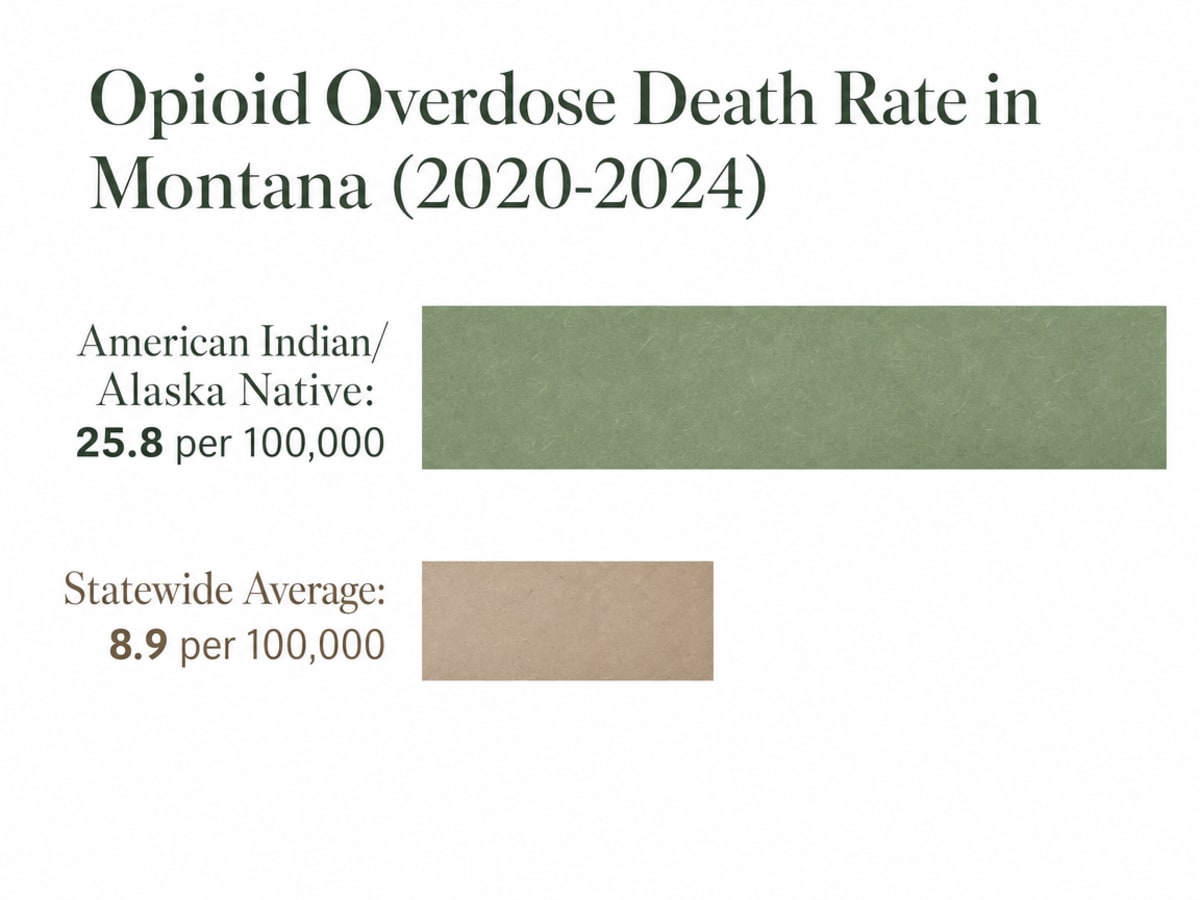
- Montana’s opioid-overdose death rate among American Indian and Alaska Native residents reached 25.8 per 100,000 from 2020-2024, nearly three times the statewide rate 1.
- Culturally responsive care in Montana should combine adapted clinical protocols with voluntary cultural services like Wellbriety, talking circles, or smudging, chosen with you rather than assigned 5.
- HEART-funded Medicaid expansion and $62,500 tribal grants to each of Montana’s eight tribes have widened access to detox, MAT, and community-designed recovery activities 2, 14.
- When choosing a program, ask about ASAM licensure, which specific cultural practices happen weekly, tribal relationships, and what aftercare looks like once residential care ends 6, 13.
What the Montana numbers actually say
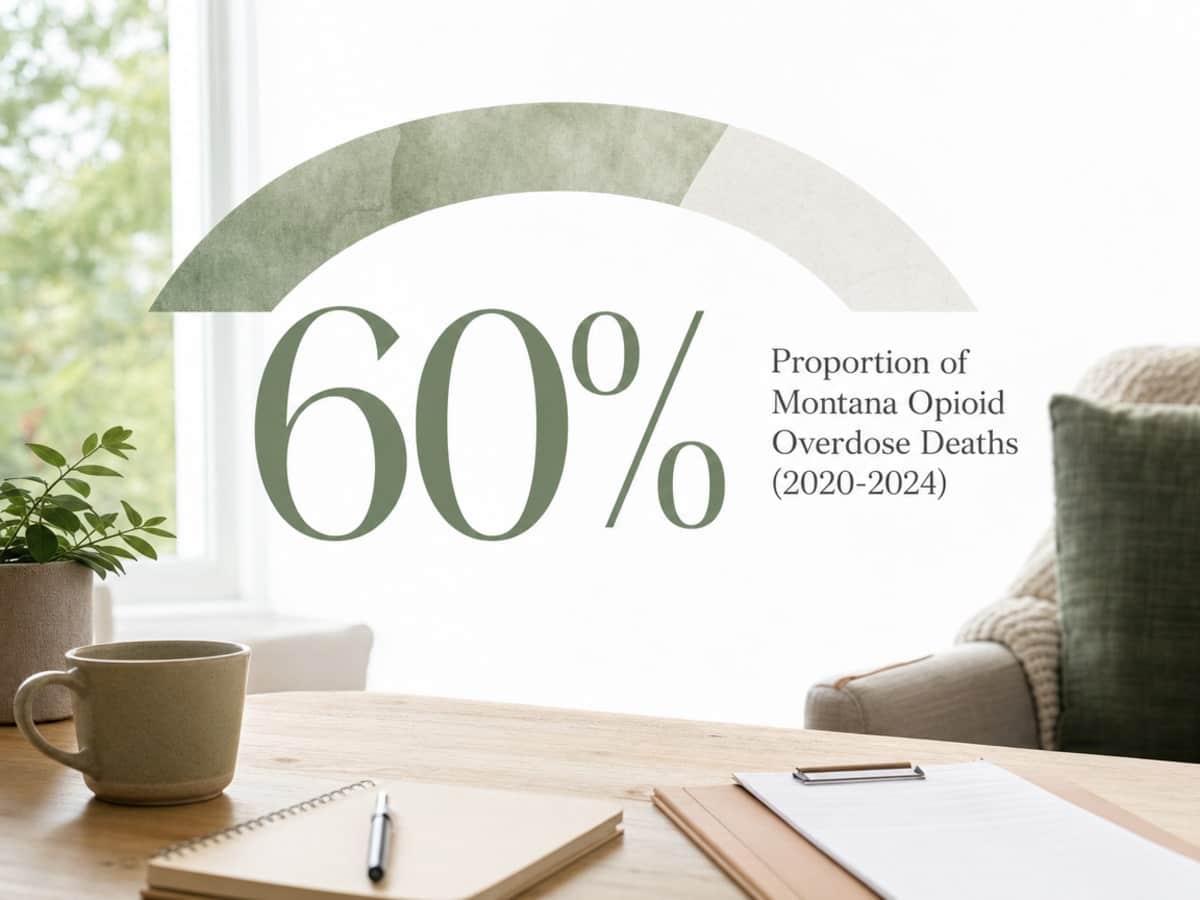
Start here, because the shape of the problem matters more than the size of it. From 2020 through 2024, Montana’s age-adjusted opioid-overdose death rate was 25.8 per 100,000 among American Indian and Alaska Native residents, compared with 8.9 per 100,000 statewide 1. That is nearly three times the rate carried by everyone else in the state. If you have lost someone, or almost lost yourself, that gap is not news. It is a name, and then another name, and then a phone call you did not want to make.
The number is real. It is also incomplete. The same Montana surveillance report is honest about its own limits: hospital data do not include federal facilities such as Indian Health Service hospitals, and race information is missing or inconsistent across hospital and EMS datasets 1. In plain terms, the true burden on Native families in Montana is likely worse than what any single chart can show. That matters when you are trying to decide whether the system sees you clearly enough to help.
Montana is not an outlier. The CDC reported a 39% jump in overdose deaths among AI/AN people nationally between 2019 and 2020, the steepest rise of any racial or ethnic group that year 11. So what you are living through is not a story about any one reservation, or any one family, or any one bad decision. It is a pattern with policy fingerprints on it.
Hold the number. Then set it down. The rest of this guide is about what you can actually do with it, and what respectful care in Montana can look like when you are ready to reach for it.
What culturally responsive care actually looks like
Culturally adapted clinical care vs active cultural services
Here is a distinction that most treatment brochures blur, and you deserve to see it clearly. Researchers who study opioid-use-disorder treatment in AI/AN communities describe two different integration strategies, and they are not the same thing 5.
The first is culturally adapted clinical care. Take an evidence-based protocol, something like cognitive behavioral therapy or a relapse prevention curriculum, and systematically modify it so the language, examples, values, and pacing fit the client’s culture and community context 6. The protocol still has its clinical bones. What changes is the framing: who tells the stories in the workbook, what a supportive relative looks like, whether mindfulness is presented alongside self-compassion practices that a community actually recognizes.
The second is active provision of cultural services. This is care that offers cultural practices themselves as part of the treatment day. Talking circles. Smudging, if you request it and your tradition holds it. Drum-assisted recovery therapy. Access to Wellbriety materials or Native-led peer support. Ceremony, when a community authorizes it and a client asks for it 5, 10.
Why does the distinction matter to you? Because a program can honestly say it offers “culturally responsive care” while doing only one of these, or a thin version of both. Ask which. A program that adapts its therapy curriculum but has no relationship with any Native community is doing one job. A program that hosts a monthly talking circle but never adjusts its clinical materials is doing another. The care you are looking for probably needs elements of both, chosen with you, not decided for you. And the systematic review of these interventions is honest that outcome evidence is still uneven, so no one should promise you that any single model outperforms standard care 8. What good programs promise is respect, clinical rigor, and choice.
Wellbriety, talking circles, and practices that stay client-led
Wellbriety is not a buzzword to sprinkle onto a treatment plan. It is a specific movement with roots in Indigenous healing and a philosophy that culture itself can function as prevention and as recovery 4. The word carries the idea that being well and being sober are not two separate goals but one, held together by identity, community, and the traditions you were raised near or are reconnecting with. In studies of AI/AN opioid-use-disorder treatment, Wellbriety and Native-led treatment centers show up repeatedly as cultural services that participants themselves name as meaningful 5.
Talking circles are another practice you may hear about. They are not a rebranded group therapy session. They come from long-standing traditions where each person speaks in turn, without cross-talk, and what is said in the circle is held with a specific kind of respect 9. Some treatment programs incorporate them. Some do not, because doing it well requires the right facilitator and the right community relationships, not just a room and chairs.
Then there are practices like smudging, sweat lodges, drum-assisted recovery therapy, and ceremonial gatherings 5, 9, 10. Any of these can be part of your recovery. None of them should be assigned to you. The principle that keeps this honest is simple: cultural practices are voluntary, tribally respectful, and integrated with clinically appropriate care 4. If a program tells you that you must smudge to be in their program, that is not respect. If a program tells you that you cannot smudge because it is not on their schedule, that is not respect either.
What you should be able to expect is a real conversation. What tradition are you from. What practices are meaningful to you. Who in your community would you want involved. And then a plan that reflects your answers, not a template.
Why ‘pan-Indian’ care fails the eight tribal nations in Montana
Montana is home to eight tribal nations, each with its own government, language, history, and ceremonial life. A program that treats “Native culture” as one uniform thing is already off course before you walk in the door. The peer-reviewed literature is clear on this: cultural practices vary across communities, and what works in one setting cannot be assumed to work in another 5, 9. National racial categories and averages can also hide real differences between reservations, urban Indian populations, and specific tribes, which is why local surveillance and local voice matter more than any nationwide stat 11.
The practical test is straightforward. Does the program ask which nation you come from, or does it just note “Native American” on your chart? Does it have working relationships with tribal health departments, community paraprofessionals, or supportive relatives from your area 6? Can it name which practices it offers and which it does not, instead of implying that everything is available and interchangeable?
SAMHSA has cataloged 85 culturally responsive programs evaluated using both Western and Indigenous methods, and the guidance is that cultural fit, local governance, community participation, and tribal specificity are essential 3. Translation: the program should meet you where your community actually is, not where a generic Native-themed curriculum thinks you should be. If the first conversation feels like a script, ask for a different conversation. You are allowed.
The clinical spine: detox, MAT, therapy, relapse prevention
Medications and therapy that hold the medical ground
Before anyone talks about ceremony, culture, or community, the medical piece has to hold. Withdrawal from opioids or alcohol is not a test of willpower. It is a physiological event that can be dangerous without supervision, and it deserves the same seriousness you would give a heart problem.
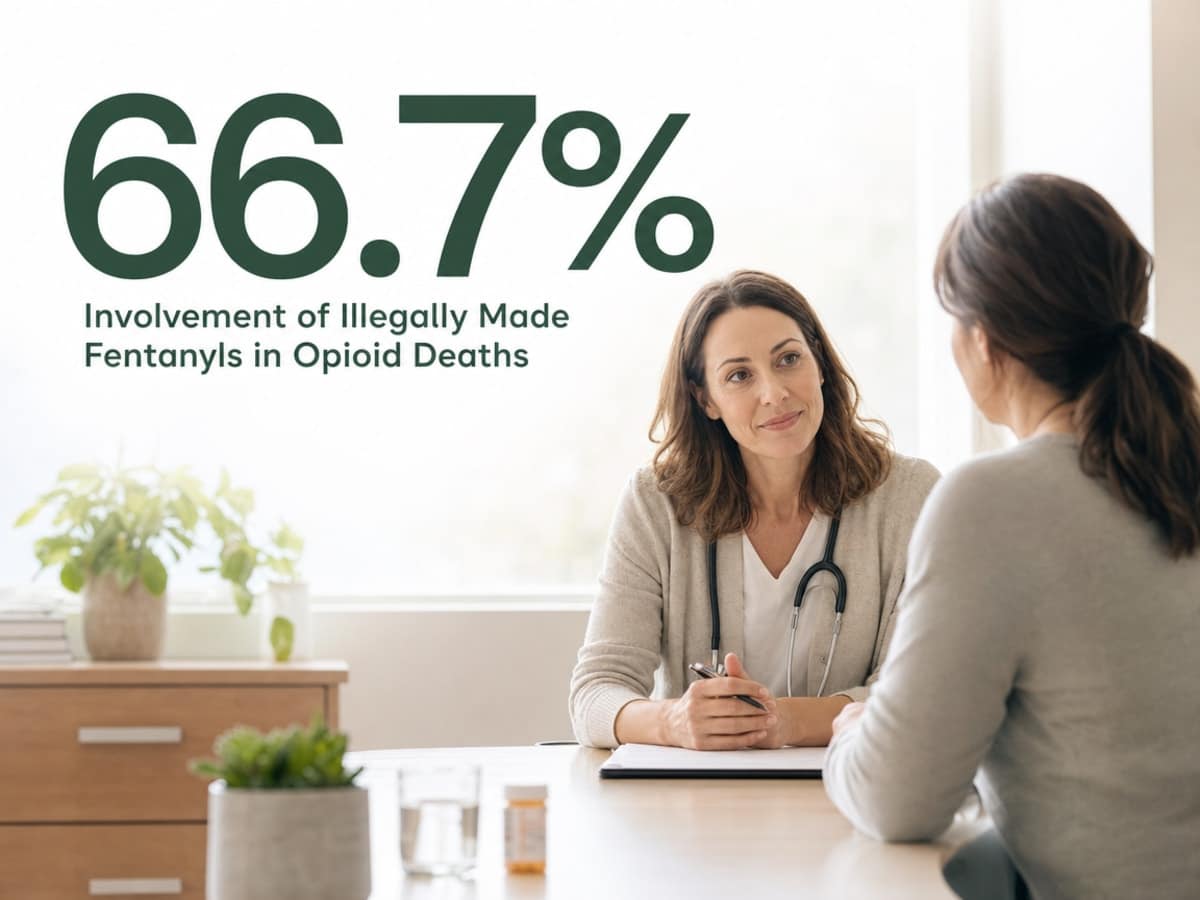
Montana’s own surveillance report names the evidence-based medications for opioid use disorder plainly: methadone, buprenorphine, and naltrexone, generally paired with psychosocial treatment 1. These are not shortcuts, and they are not substitutes for one addiction with another. They are the tools that reduce cravings, cut overdose risk, and give your brain room to heal while the rest of the work begins. Illegally manufactured fentanyls now factor into roughly two-thirds of Montana’s opioid-overdose deaths 1, which is why starting treatment with medication on board is often the difference between a recovery you get to build and one that never gets a second chance.
What the medical spine typically looks like: a supervised detox to get you through the acute withdrawal window, then a decision with a physician about whether medication-assisted treatment fits your history and goals. From there, individual therapy, group work, and treatment for any co-occurring conditions like depression, PTSD, or anxiety. Montana licenses residential SUD facilities under the ASAM Criteria 13, which means a licensed program is required to match the level of care to the severity of what you are carrying, not to sell you a package.
Relapse prevention adapted with Montana Native communities
Relapse is not proof that you failed. In the research done with tribal members on a rural Montana-area reservation, participants and key informants named the real drivers: traumatic experiences, systemic racism, and a shortage of treatment options that actually fit the community 7. When those pressures do not go away after discharge, standard relapse-prevention worksheets can feel like they were written for someone else’s life.
Montana State University–linked researchers have done something about that. Working directly with Native community members, they used a community-based participatory approach to adapt an evidence-based relapse-prevention protocol so it actually reflects the language, values, and daily context of the people using it 6. Cultural adaptation, as they define it, is the systematic modification of a proven intervention so it is compatible with clients’ culture, context, and patterns 6. The adapted version brought in families, community organizations, mindfulness, self-compassion practices, supportive relatives, and community paraprofessionals as part of the plan 6.
Notice what did not happen. The clinical bones of relapse prevention were not thrown out. The workbook was not translated word-for-word and called Native. The community shaped the intervention, and the intervention held its rigor.
The systematic review of culturally tailored substance-use interventions for Indigenous adults is honest that outcome evidence is still uneven across studies, so no program should promise you that any adapted model beats standard care by a fixed number 8. What good relapse-prevention work should promise you: a plan that names the specific stressors you will actually face when you go home, and support that does not disappear when the residential stay ends.
How Montana is paying for this: HEART, Medicaid, and tribal grants
Money is not a side conversation when you are trying to get into treatment. It is often the first door, and it is one of the reasons families give up before the second call. So here is what the funding landscape in Montana actually looks like right now, in plain terms.
The HEART Initiative, short for Healing and Ending Addiction through Recovery and Treatment, is the state’s main vehicle for expanding SUD care. In state fiscal year 2024, HEART-expanded Medicaid treatment services delivered ASAM-recommended levels of care and served 1,612 members, and the report notes that number is an undercount because providers have up to 365 days to file claims 2. Practically, that means the pool of people accessing HEART-funded care is real and growing, and if you have been told the state has nothing for you, the state has more than it did.
Alongside Medicaid coverage, HEART pushed direct funding to tribal governments. Each of Montana’s eight tribes received $62,500 in SFY 2024 tribal-grant funding, used for activities the tribes themselves selected, including Medicine Wheel groups, tipi building integrated into SUD treatment, cultural gatherings, traditional arts, and development of a Tribal Healing to Wellness Court 2. The dollar amount is not enormous, but the design matters: tribes decide what the money supports, not a state agency deciding for them.
Montana’s Medicaid Section 1115 HEART demonstration also broadened the coverage continuum. It spans early intervention, crisis services, outpatient, residential, inpatient, and recovery services, and the state coordinates with Indian Health Service, tribes, and urban Indian health centers to support AI/AN Medicaid members 14. Recent amendments added contingency management for qualifying stimulant-use disorder, tenancy supports for people at risk of homelessness, and targeted services during the 30 days before release from prison 14. If you are leaving incarceration, that reentry window is new territory worth asking about by name.
None of this is a promise that paperwork will feel simple. It is a promise that the funding exists, that the door is wider than it used to be, and that asking the question is not naive.
The wider ecosystem: IHS, urban Indian health, and Elk Ridge Recovery
You have more than one door, and that matters. If a program pitches itself as the only real option for Native clients in Montana, treat that as a red flag. The honest picture is a network, not a single building.
Indian Health Service facilities are part of the picture, and they carry a specific role. Montana’s own surveillance report flags that IHS hospitals are not included in state hospital datasets 1, which is a data limitation, but it also reflects that IHS is a distinct system with its own front doors. Urban Indian health centers serve Native people living off-reservation, in places like Billings, Missoula, or Great Falls, where a lot of families actually spend their days. Montana Medicaid, under the HEART 1115 demonstration, formally coordinates with IHS, tribes, and urban Indian health centers to support AI/AN members across the treatment continuum 14. That coordination is not perfect, but it means the systems are supposed to talk to each other on your behalf.
Tribal Healing to Wellness Courts are another node. Several Montana tribes have used HEART grant dollars to develop or strengthen them 2, and they offer a court-connected pathway that blends accountability with culturally grounded recovery. If you are involved with the justice system, that is a route to ask about by name.
Elk Ridge Recovery sits inside this ecosystem as one option among several. It is a Montana-based residential program offering physician-led detox, medication-assisted treatment, individual and group therapy, dual diagnosis support, and aftercare, licensed under the ASAM Criteria that Montana applies to residential SUD facilities 13. For clients from Montana reservations, that clinical spine can be paired with culturally grounded elements like smudging or Wellbriety-informed peer support when you request them and your community stands behind them 4, 5. That is the honest description. Not a cure, not a substitute for tribal healing, and not the only door. A place where the medical work can hold while you decide what else belongs in your recovery.
A crisis that is not receding evenly
You may have heard that overdose deaths in Montana went down last year. That is true, and it is also not the whole picture. Montana’s 2026 surveillance report shows suspected opioid-overdose EMS incidents climbed to 898 in 2025, a 16% jump from the year before 1. Deaths and dispatches do not always move in the same direction. Naloxone in the right hands can pull someone back from an overdose that would have been fatal a few years ago. That is a good thing. It is not the same as saying the crisis is easing.
What that 16% means on the ground: more calls, more nights when a family member does not sleep, more first responders keeping someone alive until the next decision gets made. Illegally manufactured fentanyls are involved in roughly two-thirds of Montana’s opioid-overdose deaths 1, which is part of why the margin for error keeps shrinking. A supply this unpredictable does not forgive a missed dose, a slip, or a night alone.
If you are reading this while you or someone you love is still using, that rise is not meant to scare you into paralysis. It is meant to say the opposite. The window to reach for help is now, not after one more try. Detox beds, MAT starts, and same-week intake calls exist in Montana right now, funded through the HEART continuum and Medicaid coverage discussed earlier 2, 14. Making one call today is not a small step. In a year like this one, it is the step.
How to choose a program without losing your footing
You are going to be asked to make a big decision while you are tired. That is the truth of it. So keep the questions short, and keep them yours.
Ask what the program is licensed to do. In Montana, residential SUD facilities are licensed under the ASAM Criteria, and a recovery residence is a different thing from a clinically licensed treatment facility 13. Both can matter in a recovery, but they are not interchangeable. If you need medical detox or MAT, you need the clinical license.
Ask what the program actually offers, not what it hints at. Does it adapt its therapy materials for the community you come from, or does it offer cultural services like talking circles, smudging, or Wellbriety-informed peer support, or both 5? Which ones happen every week, and which happen once a quarter with a visiting facilitator? A straight answer is a good sign. A vague answer is data too.
Ask who the program knows. Working relationships with tribal health departments, community paraprofessionals, or supportive relatives from your area are part of what makes adaptation real rather than decorative 6. Ask whether they have served clients from your specific nation before, and what that looked like.
Ask about after. A residential stay ends. The stressors you named in the first week will still be waiting. What does the aftercare plan look like, and who holds it with you?
You are allowed to leave a call that feels like a script. Making the next call is not starting over. It is still the same step forward.
Connect for Support on Your Healing Journey
Get guidance from someone who understands your path and next steps for care.
Frequently Asked Questions
What does culturally responsive addiction treatment actually mean in Montana?
It means care that pairs evidence-based clinical treatment with practices your community recognizes, chosen with you rather than assigned. Researchers describe two integration strategies: culturally adapted clinical care, where protocols are modified to fit your language and context, and active provision of cultural services like talking circles or Wellbriety-informed peer support 5. A good Montana program should be able to name which of these it offers, and how.
Will I have to give up my tribal traditions to get clinical care like detox or MAT?
No. Medical detox and medications for opioid use disorder, including methadone, buprenorphine, and naltrexone, are the clinical spine that keeps you safe 1. They do not compete with cultural practice. Culturally based treatment is described in the literature as restoring connection to heritage and spiritual traditions alongside clinical work, not instead of it 9. A program that forces you to choose between the two is not the right program.
What is Wellbriety, and is it a replacement for medical treatment?
Wellbriety is a specific movement rooted in Indigenous healing, built on the idea that culture itself can support prevention and recovery 4. In studies of AI/AN opioid-use-disorder treatment, participants named Wellbriety and Native-led centers as meaningful cultural services alongside clinical care 5. It is not a substitute for detox, MAT, or therapy. It is one path many people choose to walk in addition to that medical foundation, when it fits their tradition.
How can I pay for treatment if I am coming from a Montana reservation?
Montana Medicaid, expanded under the HEART 1115 demonstration, covers a broad continuum including outpatient, residential, inpatient, and recovery services, and formally coordinates with Indian Health Service, tribes, and urban Indian health centers to support AI/AN members 14. Each of Montana’s eight tribes also received $62,500 in SFY 2024 HEART tribal-grant funding for locally chosen activities 2. Ask any program directly about Medicaid, IHS billing, and tribal referrals.
What is the difference between a recovery residence and a licensed residential treatment facility?
They are legally and clinically distinct. Montana licenses residential SUD facilities under the ASAM Criteria, meaning they provide clinical services matched to the severity of what you are carrying 13. Recovery residences do not provide clinical services and are excluded from department licensure 13. Both can play a role at different points in recovery, but if you need medical detox, MAT, or dual diagnosis care, you need the clinically licensed facility.
How do I choose a program that will respect my specific tribal background?
Ask which nation’s members they have served, and what that looked like. Ask whether they work with tribal health departments, community paraprofessionals, or supportive relatives from your area, because that partnership is what makes adaptation real rather than decorative 6. Cultural practices vary across Montana’s eight tribal nations, and no single curriculum fits all of them 5, 9. A straight, specific answer is a good sign. A vague one tells you something too.
References
- Summary of Opioid Use in Montana. https://dphhs.mt.gov/assets/publichealth/EMSTS/Data/Opioid_Drug_Use_Summary.pdf
- HEART Initiative Report. https://archive.legmt.gov/content/Committees/Interim/2023-2024/Children-Families/CFHHS_Meetings/2024_Sept_11/16-12-122-Healing-and-Ending-Addiction-Through-Recovery-and-Treatment-Report-FINAL.pdf
- Culturally Responsive Programs to Reduce Substance Misuse and Promote Mental Health. https://www.samhsa.gov/resource/sptac/culturally-responsive-programs-reduce-substance-misuse-promote-mental-health
- The Native American Healing Experience. https://pubmed.ncbi.nlm.nih.gov/19016172/
- Exploring Culturally Based Treatment Options for Opioid Use Disorder Among American Indian and Alaska Native Communities. https://pmc.ncbi.nlm.nih.gov/articles/PMC9318704/
- Partnering with Native Communities to Develop a Culturally Adapted Relapse Prevention Intervention. https://pmc.ncbi.nlm.nih.gov/articles/PMC6750990/
- Determinants of Relapse and Opportunities for Growth: Perspectives on Substance Use Among American Indian Community Members. https://pmc.ncbi.nlm.nih.gov/articles/PMC8692388/
- Culturally tailored substance use interventions for Indigenous people in the United States and Canada: A systematic review. https://pmc.ncbi.nlm.nih.gov/articles/PMC10248734/
- Culturally Based Substance Abuse Treatment for American Indians and Alaska Natives. https://pmc.ncbi.nlm.nih.gov/articles/PMC4443747/
- Substance and Behavioral Addictions among American Indian and Alaska Native People. https://pmc.ncbi.nlm.nih.gov/articles/PMC8910676/
- Achieving Health Equity Around Overdoses. https://www.cdc.gov/overdose-prevention/health-equity/achieving-health-equity-around-overdoses.html
- Drug Overdose Prevention and Tribal Communities. https://www.cdc.gov/overdose-prevention/health-equity/tribal-communities.html
- Rules for Substance use Disorder Facility. https://dphhs.mt.gov/assets/oig/Rules_for_Substance_use_Disorder_Facility.pdf
- Medicaid Section 1115 Demonstration Amendment. https://www.medicaid.gov/medicaid/section-1115-demonstrations/downloads/mt-heart-demonstration-pa.pdf