Key Takeaways
- Walking or hiking a Montana trail offers sustained, rhythmic outdoor movement, the kind of activity a 2025 meta-analysis linked to significant craving reduction 3.
- Kayaking or paddling Flathead Lake pairs cold water and open sky with nature exposure tied to less fatigue and more vitality 7.
- Joining a yoga or stretching class trains breath-led downshifting, a mind-body form flagged as effective for craving in recent research 3.
- Fishing a nearby river before sunrise imposes shape on shapeless mornings and delivers the mental-health benefits of outdoor time 6.
- Cooking one real meal a week rebuilds ritual and occupies hands, brain, and hunger through the multiple pathways leisure affects health 9.
- Joining a bowling league or rec-league team creates recurring low-stakes accountability, with adult sports linked to better mental-health and social outcomes 10.
- Trying nature photography on slow walks retrains hijacked attention and supports self-esteem and identity through community arts engagement 13.
- Picking up drumming, dance, or choir builds shared breath and rhythm, with performing arts showing broad wellbeing benefits across health domains 11.
- Reading through a library or book club rebuilds attention span and adds social layers through psychological and social leisure pathways 9.
- Making things with your hands through crafts or woodworking occupies evening restlessness and supports identity formation in community programs 13.
- Showing up to sober meetups or alumni hikes builds the peer support that people sustaining recovery repeatedly credit as decisive 14.
- Walking farmers markets or local festivals is low-stakes public practice, aligning with CDC guidance on shared-interest gatherings and connectedness 19.
Why fun matters more than you think in recovery
Here is something nobody tells you in early recovery: the boredom is a symptom, not a character flaw. When substances leave, they take a whole calendar with them. The rituals, the people, the way Friday night used to fill itself. What replaces that empty space is not willpower. It is what you choose to do on a Tuesday at 4 p.m. when nothing is scheduled and your brain is looking for something to grab.
Recreation is one of the building materials of that new calendar. Not a distraction. Not a reward. A tool. SAMHSA’s guidance on physical activity in recovery is clear that things like walking, hiking, group fitness, and stretching can support mood, sleep, self-efficacy, and social connection when you build them in gradually and pick what you actually enjoy 1.
The 15 activities ahead are grouped by the job they do for a recovering brain and body. Some are backed by strong research. Some are supported by softer evidence and honest common sense. You do not need all 15. You need two or three that stick.
The five jobs recreation does for a recovering brain
Think of the next 15 activities as tools sorted by what they fix, not by how they look on Instagram. SAMHSA’s guidance on physical activity in recovery lands on the same idea: activity works best when you vary it, keep it enjoyable, and build it in gradually as part of a wider wellness plan 1.
Here are the five jobs to keep in mind as you read:
- Reset the nervous system.
- Movement, breath, and time outside help settle a body that spent years on high alert. Walking, hiking, kayaking, and yoga live here.
- Build structure.
- Empty hours are risky hours. Fishing before sunrise, cooking one real meal a week, or showing up to a bowling league gives your calendar edges again.
- Rebuild identity.
- Substances flatten who you are into what you use. Photography, drumming, reading, and crafts help you answer the question of who you are becoming.
- Grow connection.
- Isolation is fuel for relapse. Sober meetups, farmers markets, and game nights put actual humans in your week.
- Practice service.
- Helping someone else quiets the loop in your own head. Community gardens, trail crews, and shelter shifts belong in this group.
You do not need one from every column. You need a handful that fit your life this month.
Reset the nervous system: activities that move your body
Walk or hike a Montana trail
Start with your boots and the closest trailhead. A walk along the Kootenai, a loop through Mount Helena’s foothills, or a slow climb up the Rattlesnake outside Missoula does more than burn calories. It gives your nervous system somewhere to put the static.
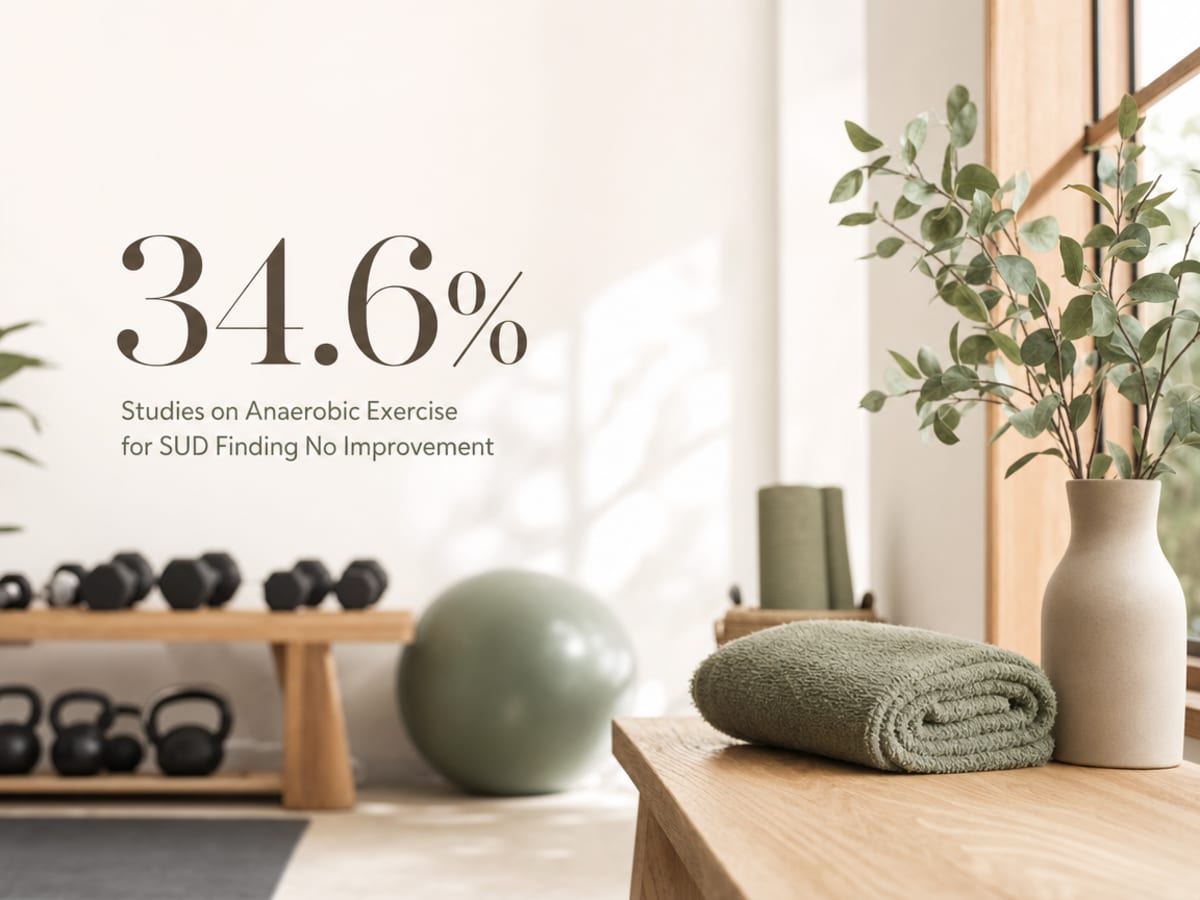
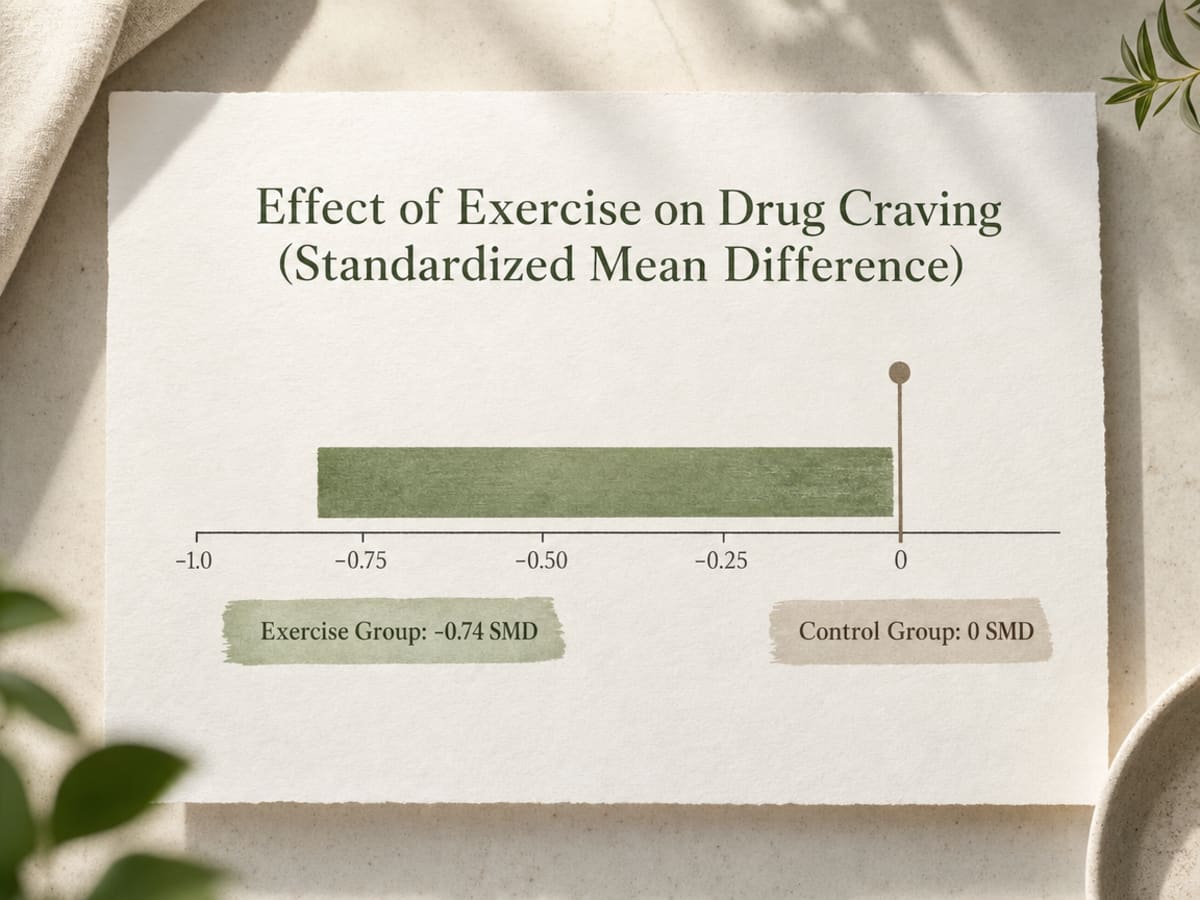
A 2025 meta-analysis of 636 people in recovery found that exercise significantly reduced drug craving compared to control groups, with a standardized mean difference of −0.74. Aerobic, mixed, and mind-body forms drove the effect. Resistance training alone did not 3. In plain terms, the kind of movement a hike provides, sustained, rhythmic, outside, appears to be the kind that quiets craving best.
This measures craving, not proof of long-term abstinence. Treat the trail as a tool alongside your other supports, not as the whole plan.
You do not need to summit anything. Twenty minutes on a flat path counts.
Kayak or paddle Flathead Lake
Cold water has a way of interrupting a spiral. When your paddle dips into Flathead and the mountains double themselves on the surface, the part of your brain replaying yesterday finally goes quiet for a minute.
Renting a kayak or a stand-up paddleboard is easier than most people assume. Shops in Bigfork, Polson, and Somers rent by the hour, and you do not need to be an athlete to sit in a boat and move it forward.
Nature-based outdoor activities show measurable mental-health benefits across adult populations, including people with existing mental-health conditions 6. Green and blue space exposure has been linked to less fatigue and more of what researchers call vitality, that woken-up feeling you get after a real hour outside 7.
Go with someone. Wear the life jacket. Then just paddle.
Join a yoga or stretching class
If a hike sounds like too much, start on a mat. Yoga and structured stretching count as movement, and they belong in the mind-body category the 2025 meta-analysis flagged as effective for craving 3.
Most Montana towns have at least one studio with a beginner or gentle class. Community centers often run free or low-cost sessions. YouTube works too if walking into a studio feels like a lot in week one.
What matters here is breath. Slow, deliberate breathing during a stretch trains your body to downshift on command, which is a skill you will use the next time a craving arrives without warning.
SAMHSA’s guidance backs this: physical activity in recovery works best when it is varied, gradual, and something you actually enjoy 1. If you dread the class, pick a different one.
Start where you are: a note on intensity
A quick word before you sign up for the boot camp at 5 a.m.
Here is the practical version. Start with the walk. Add the paddle. Try the yoga class. Build a base of movement your body trusts before you chase intensity.
And if you have been out of the game for a while, or you are on medications like buprenorphine or naltrexone, run your plan by your care team first. Enjoyable and repeatable beats heroic and abandoned.
Build structure: activities that fill the hours
Fish a river you can drive to before sunrise
Fishing gives you a reason to set an alarm. That is not a small thing when your mornings have been shapeless for a while.
Pick a river you can reach in under an hour. The Bitterroot, the Blackfoot, a quiet stretch of the Missouri below Craig, or a bend of the Kootenai near Libby. Pack the night before. Coffee in a thermos. Waders by the door. The whole point is that the plan is already made when your brain wakes up looking for trouble.
Standing in cold water while the light comes up is its own kind of medicine. Nature-based outdoor activities have measurable mental-health benefits for adults, including those with existing mental-health conditions 6.
You do not need to catch anything. You need to have gone.
Cook one real meal a week
One meal. Not seven. Not a meal-prep spreadsheet. One.
Pick a Sunday afternoon or a Wednesday night and cook something that takes a little time. A pot of chili. A whole roasted chicken with potatoes. Green curry from scratch. The recipe matters less than the ritual: grocery list, knife work, the timer going off, sitting down at an actual table.
Leisure activities like cooking touch health through multiple pathways at once, including psychological, biological, social, and behavioral mechanisms 9. Translation for a Tuesday: chopping onions occupies your hands, following a recipe occupies your brain, and eating something you made occupies the part of you that has been running on gas-station food and shame.
Invite one person if you can. Eating alone at a table still beats eating standing up over the sink.
Join a bowling league or rec-league team
There is a specific sound a bowling alley makes on a Thursday night in Butte or Great Falls. Pins falling, the low hum of conversation, someone’s kid yelling from the arcade. It is not glamorous. That is exactly why it works.
A rec league puts a recurring appointment on your calendar with other humans depending on you to show up. Softball in Missoula. Kickball in Bozeman. Curling in Kalispell. Pickleball almost anywhere now. Adult sports participation, including team and recreational formats, is associated with better mental-health and social outcomes across the research 10.
The skill level does not matter. What matters is that someone will text you if you miss two weeks in a row. That kind of low-stakes accountability is hard to build any other way.
Walk in the first night knowing you will feel awkward. Sign up anyway. By week four, it is just Thursday.
Rebuild identity: activities that answer who you are now
Try nature photography on a slow walk
You do not need a nice camera. The phone in your pocket works.
Here is the shift. Instead of walking to burn off nervous energy, you walk to notice things. The lichen on a fence post. The way morning light hits the Mission Mountains from the east side of Flathead. A single aspen leaf on wet asphalt. Photography turns a walk into a search, and a search gives your attention somewhere useful to go.
Community arts engagement, including photography, has been associated with gains in self-esteem and identity formation across U.S. programs serving thousands of participants 13.
You are practicing a new way of seeing. That is not small. For a long time, your attention was hijacked by one thing. Taking pictures of small, ordinary beauty is one way to get it back.
Pick up drumming, dance, or a community choir
Something happens when you make sound with other people. Your breath falls into their breath. Your hands find a beat that is not yours alone. For an hour, you are not the person carrying the story of everything you have done. You are the alto in row two, or the guy on the djembe learning a pattern from the woman next to him.
Most Montana towns have more of this than you would guess. Community choirs in Helena and Billings. Drum circles that meet at parks and community centers in warmer months. Adult beginner dance classes, from swing in Missoula to Latin nights in Bozeman. The cost of entry is often free or under twenty dollars.
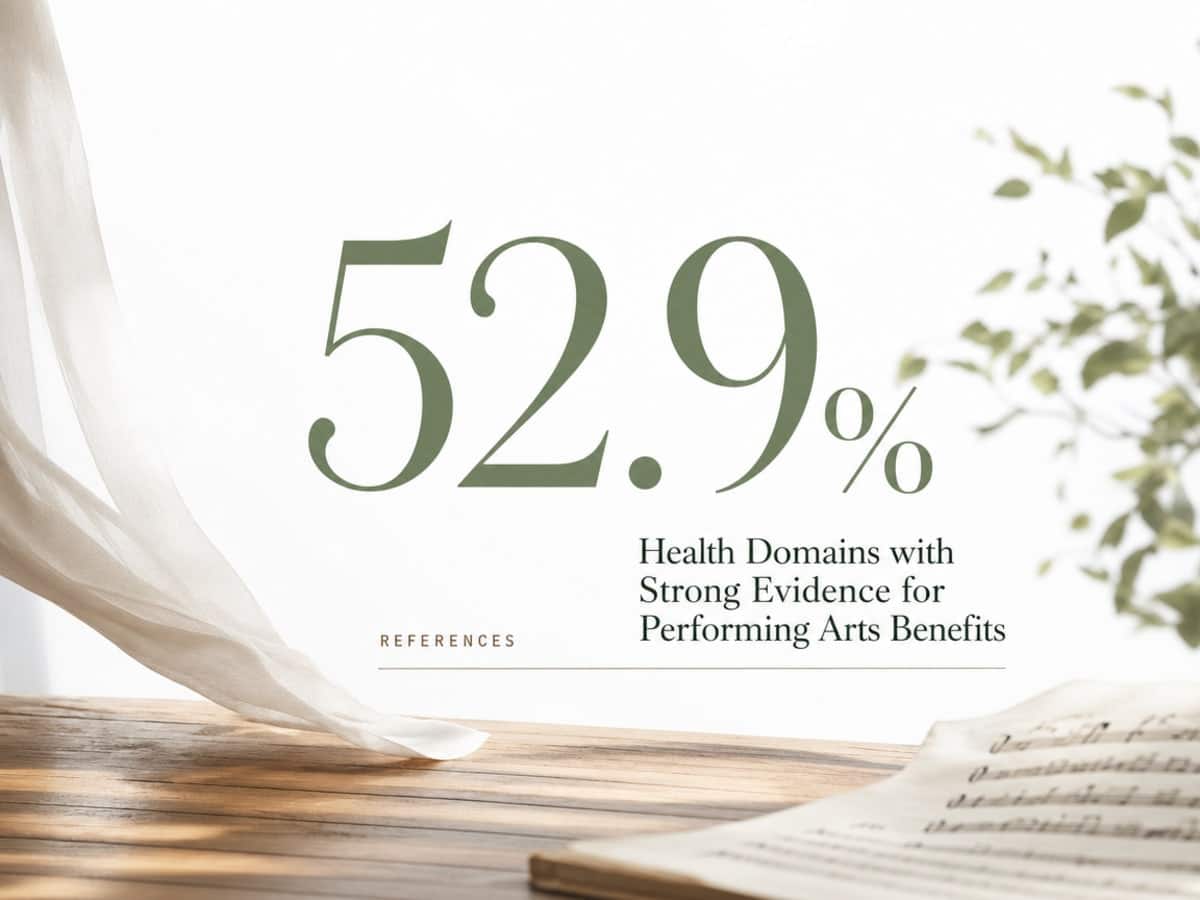
The evidence for performing arts as a health resource is unusually broad. An umbrella review found moderate-to-high quality evidence for health benefits in 9 of 17 health domains studied, or 52.9% 11. That review covers general health rather than substance use disorder specifically, so treat this as an activity that supports wellbeing, not a treatment.
Group arts interventions have also shown positive effects on mood for adults with anxiety and depression, which travel closely with early recovery for many people 12.
Go once. Sit in the back. Sing quietly. That still counts.
Read your way back with a library or book club
Reading is an underrated recovery tool. It rebuilds an attention span that was on fire for a long time.
Start smaller than you think you should. A novel you loved in high school. A short story collection you can finish one at a time. A memoir by someone who has lived through something hard. Your library card is free and every county in Montana has a branch that will lend you more than you can read.
Book clubs add a second layer. You show up on a Tuesday, someone else has read the same chapters, and you talk about a character instead of yourself for an hour. The leisure-mechanisms literature identifies psychological, biological, social, and behavioral pathways through which activities like this affect health 9.
Read ten pages. Then ten more tomorrow. That is how a reader gets built back.
Make something with your hands: crafts and woodworking
There is a specific satisfaction in holding an object at the end of the day that did not exist that morning. A cutting board you sanded smooth. A knitted hat that is a little crooked. A leather wallet with your own stitches.
Makerspaces in Missoula and Bozeman offer classes and shop time. Community colleges run evening woodworking courses. Craft stores stock beginner kits for under thirty dollars.
Hands-on work occupies the part of the brain that goes hunting for trouble in the evenings. Hands-on arts engagement has been linked to identity formation and self-esteem in community programs 13.
Make something ugly first. Then make something less ugly.
Grow connection: activities that put people in your week
Show up to a sober meetup or alumni hike
The hardest part is the parking lot. You sit in your car for ten minutes deciding whether to go in. Go in anyway.
Sober meetups, alumni hikes, and recovery-community events put you in a room, or on a trail, with people who already know the score. No explaining. No polite decline of the wine. Qualitative research on social recovery keeps landing on the same finding: people who sustain recovery point to peer support as one of the biggest reasons why 14. And when the outing is led or accompanied by trained peers, the evidence on peer recovery support services suggests real gains in treatment engagement, relationships, and social support 17.
Look for alumni groups from treatment centers, Recovery Dharma meetings, She Recovers hikes, or local sober sober-curious groups on Meetup. Go once. Say your first name. Leave when you want. You are building a bench, not a best friend, and a bench takes a few tries to fill.
Walk the Bozeman farmers market or a local festival
Saturday morning at the Bogert Park farmers market in Bozeman. The Missoula market by the river. Huckleberry Festival in Trout Creek. The Libby Nordicfest. These are low-stakes ways to be around humans without having to perform.
You buy a peach. You listen to a fiddle player. You nod at a stranger and mean it. The CDC lists community involvement and shared-interest gatherings among the practical ways people strengthen social connectedness, which it names as a fundamental social determinant of health 18, 19.
Community events count even when you go alone. Especially when you go alone. You are practicing being a person in public again, on your own two feet, with your own two dollars. That is not nothing.
Host a low-stakes game night or campfire
You do not have to wait to be invited. You can be the one who texts three people on a Wednesday and says come over Friday.
Keep it simple. A deck of cards. A pot of chili. A fire pit in the backyard with cheap camp chairs from the hardware store. Bananagrams. Catan if your friends are that kind of nerdy. Nonalcoholic beer in the cooler if that feels okay to you, sparkling water if it does not.
Social connection is not something that happens to you. It is something you build, and the CDC’s guidance treats hosting and joining shared-interest gatherings as one of the practical moves that shifts isolation 19. Recovery-supportive networks show up again and again in the scoping review on recovery capital as one of the ingredients that keeps people well 15.
Invite three. If one comes, that is a game night.
Practice service: activities that shift the mirror
Volunteer at a Missoula community garden
Service does something no amount of self-talk can do. It takes the mirror off your own face for an hour.
Community gardens are one of the easier ways in. The PEAS Farm and Garden City Harvest plots in Missoula run volunteer days where you can pull weeds, turn compost, or help fill boxes for the food bank. No experience needed. Show up in boots and a hat. Someone will hand you a trowel.
The CDC lists joining a community garden as one of its practical suggestions for strengthening social connectedness, which it treats as a fundamental social determinant of health 19. Recovery-supportive networks and purposeful routines keep showing up in the scoping review on recovery capital as things that help people stay well 15.
You get dirt under your nails. You leave with tomatoes. Somebody remembers your name next Saturday.
Trail maintenance, animal shelters, and food banks
Not all service looks like a garden. Some of it looks like a Pulaski in your hands on a Saturday morning with a trail crew, clearing blowdown on a section of the Continental Divide Trail. Some of it looks like walking dogs at the Flathead County shelter in Kalispell, or sorting cans at the Montana Food Bank Network warehouse in Missoula.
Pick the one that fits your body and your week. Trail crews want you outside and moving. Shelters want steady, calm people who can sit with a scared animal. Food banks want two hours of your Wednesday.
The metasynthesis on social recovery is blunter: people who stay in recovery keep pointing to connection and contribution as reasons why 14.
Sign up once. See how you feel walking to the car after.
If an activity feels flat, try this instead
Some activities will land. Others will feel like homework. That is normal, and it is not proof that sober life is boring.
- If a solo hike feels lonely, swap in a group hike led by a peer. Peer-accompanied outings show real gains in engagement and social support 17.
- If yoga feels too still, try paddling or a bowling league where your body has a job to do.
- If the farmers market feels awkward, bring one person and one small task, like picking up peaches for a neighbor.
- If cooking feels like too much on a Wednesday, cook toast and call it a win.
- If the book club chapter went unread, go anyway and listen.
What SAMHSA keeps saying about physical activity applies to all of it: variety, enjoyment, and gradual build matter more than any single perfect choice 1. Try the next thing on the list.
How a structured program bakes recreation into care
Everything above is easier to sustain when it is scheduled for you by people who understand recovery. That is the case a program like Elk Ridge Recovery in Montana makes on your behalf: hiking, fishing, kayaking, sporting events, and community outings are built into the week alongside medical care, therapy, and peer support, not tacked on as extras.
The research points the same direction. Recovery capital grows when purposeful routines, recovery-supportive networks, and connection are treated as core, not optional 15. Peer-accompanied outings show gains in treatment engagement, relationships, and social support 17, and social support keeps surfacing as one of the biggest reasons people sustain recovery in the first place 14.
One small thing to do this week
Pick one. Just one.
Text a friend about a Saturday walk. Look up the yoga class schedule at the community center. Put waders by the door for Sunday morning. Sign up for the Thursday bowling league. Something small enough that you cannot talk yourself out of it by Tuesday.
You do not have to feel ready. You have to lace the boots and get to the trailhead. That counts. That is where the new calendar starts.
Ready to Add More Joy to Recovery?
Talk with someone who gets it and explore your next steps toward a more active, fulfilling recovery.
Frequently Asked Questions
Can sober activities really replace the rush I got from using?
Not the same way, and honestly, not right away. What recreation does is different. A hard hike, a cold river, a drum circle, or a game night gives your brain a slower, more sustainable version of feeling alive. Physical activity and nature exposure are linked to better mood, less fatigue, and more of that woken-up feeling researchers call vitality 1, 7. Give it a few weeks before you judge.
What if I try a hike or hobby and just feel bored or lonely?
That is common in the first month, and it does not mean the activity failed. Swap the format. A solo walk becomes a peer-led group hike. Peer-accompanied outings show real gains in engagement, relationships, and social support 17. If the book club felt stiff, try a rec league instead. You are shopping for fit, not proving anything about yourself.
How much exercise do I actually need to help with cravings?
There is no perfect dose, but the evidence favors sustained, rhythmic activity over sporadic intensity. SAMHSA recommends starting gradually, varying the activity, and prioritizing enjoyment so you keep showing up 1. Aerobic and mind-body forms drove the craving-reduction effect in the 2025 meta-analysis 3. Twenty to thirty minutes most days of walking, paddling, or yoga is a reasonable starting point.
Are sober activities enough on their own, or do I still need treatment?
Recreation supports recovery. It does not replace it. The research is careful on this point: exercise and nature exposure improve mood and quality of life, but they are not a substitute for medical care, therapy, medications, or peer support 4, 5. Think of activities as one leg of the stool. Clinical treatment and recovery-supportive networks are the other legs 15.
Where do I find sober people to do these activities with in Montana?
Start with alumni groups from local treatment centers, Recovery Dharma or SMART Recovery meetings in Missoula, Bozeman, Kalispell, and Billings, and sober-curious Meetup groups. Community events, farmers markets, and volunteer days at places like Garden City Harvest also put you around steady people. Social support keeps surfacing as one of the biggest reasons people sustain recovery 14, 18.
What if I can’t afford gear, classes, or gym memberships?
Most of the activities in this article are free or under twenty dollars. Public trails, library book clubs, community drum circles, farmers markets, potluck game nights, and volunteer shifts at food banks or shelters cost nothing. The CDC’s practical suggestions for building connection, including community involvement and shared-interest gatherings, are built around low-cost options for exactly this reason 19.
References
- The Intersection of Physical Activity, Wellness, and Recovery. https://library.samhsa.gov/sites/default/files/intersection-physical-activity-recovery-pep24-08-006.pdf
- A Systematic Review of Exercise Intervention Program for …. https://pmc.ncbi.nlm.nih.gov/articles/PMC8962945/
- Long-Term Exercise Interventions for Reducing Drug Craving in …. https://pmc.ncbi.nlm.nih.gov/articles/PMC12466666/
- A Systematic Review of the Benefits of Physical Exercise on Mental …. https://pmc.ncbi.nlm.nih.gov/articles/PMC11456407/
- Anaerobic Exercise Training in the Therapy of Substance Use Disorders: A Systematic Review. https://pmc.ncbi.nlm.nih.gov/articles/PMC6288373/
- Nature-based outdoor activities for mental and physical health: Systematic review and meta-analysis. https://pmc.ncbi.nlm.nih.gov/articles/PMC8498096/
- Restorative Effects from Green Exposure: A Systematic Review and Meta-Analysis. https://pmc.ncbi.nlm.nih.gov/articles/PMC9658851/
- Greenspace exposure and associated health outcomes. https://pmc.ncbi.nlm.nih.gov/articles/PMC12426596/
- How leisure activities affect health: a narrative review and …. https://pmc.ncbi.nlm.nih.gov/articles/PMC7613155/
- The impact of sports participation on mental health and social …. https://pmc.ncbi.nlm.nih.gov/articles/PMC10286465/
- Performing arts as a health resource? An umbrella review of …. https://pmc.ncbi.nlm.nih.gov/articles/PMC8191944/
- Group-based active artistic interventions for adults with primary …. https://pmc.ncbi.nlm.nih.gov/articles/PMC10335485/
- Engaging the Arts for Wellbeing in the United States of America. https://pmc.ncbi.nlm.nih.gov/articles/PMC8863598/
- Social recovery in substance use disorder: A metasynthesis of …. https://pmc.ncbi.nlm.nih.gov/articles/PMC9306622/
- Recovery-supportive interventions for people with substance use …. https://pmc.ncbi.nlm.nih.gov/articles/PMC10991812/
- Peer Recovery Support Services and Recovery Coaching for Substance Use Disorder: A Systematic Review. https://pmc.ncbi.nlm.nih.gov/articles/PMC12811009/
- Lived Experience in New Models of Care for Substance Use Disorder. https://pmc.ncbi.nlm.nih.gov/articles/PMC6585590/
- Promoting Social Connection | Social Connection | CDC. https://www.cdc.gov/social-connectedness/promoting/index.html
- Improving Social Connectedness | Social Connection – CDC. https://www.cdc.gov/social-connectedness/improving/index.html