Key Takeaways
- Inpatient rehab has no single price because hospital inpatient and residential treatment are distinct levels of care with different staffing, settings, and daily rates.
- Five variables move your bill the most: level of care, length of stay, insurance and plan design, which services are bundled, and location or program type.
- Insurance turns a sticker price into a plannable number through network status, prior authorization, deductibles, coinsurance, and concurrent reviews that authorize care in shorter chunks.
- A higher rate is worth it when it buys physician coverage, medication-assisted treatment, strong staff ratios, dual-diagnosis care, and early discharge planning 8— not just nicer surroundings.
The Five-Figure Number That Made You Stop Scrolling
You saw the number. Maybe it was $15,000. Maybe $30,000. Maybe higher. Your stomach dropped, and now you’re here, wondering if getting help is even possible for someone in your situation.
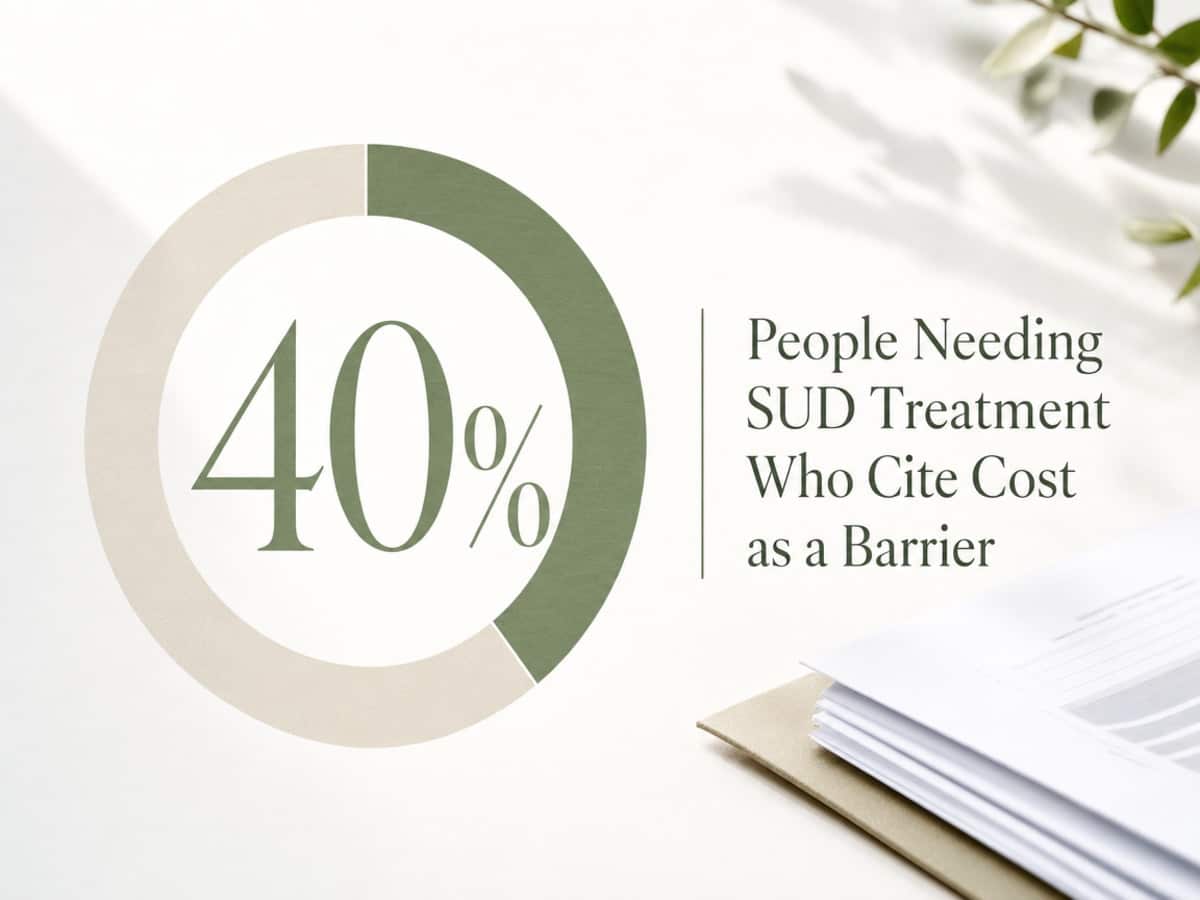
Take a breath. That reaction is normal, and you’re not the only one having it. A GAO analysis found that about two-fifths of people who knew they needed substance-use treatment didn’t get it, and cost-related reasons were a major factor 2. So if a price tag has you frozen, you’re in a very large room of people who felt exactly the same way.
Here’s what those scary numbers online usually leave out: there is no single price for inpatient rehab. What you actually pay depends on a handful of specific variables — level of care, length of stay, your insurance, and what a program includes. Once you understand those pieces, the question changes. It stops being “Can I afford this?” and becomes “What will my situation actually cost?”
That second question has an answer. This article will help you find it.
Why ‘Inpatient Rehab’ Doesn’t Have One Price
Hospital Inpatient vs. Residential Treatment: They Cost Different Things
Here’s the first thing that trips people up: “inpatient rehab” isn’t one thing. It’s shorthand for two very different kinds of care, and they don’t cost the same.
Hospital inpatient treatment happens inside an actual hospital. Think acute medical unit or a psychiatric floor, with 24-hour physician coverage, IV medications available, and the kind of monitoring you’d expect if someone’s withdrawal could turn dangerous fast. It’s expensive because hospitals are expensive. You’re paying for the building, the licensing, and the medical team on standby.
Residential treatment is different. A recent systematic review defines it as overnight care in a non-hospital setting, supervised by a treatment provider 7. You still sleep there. You still get structured clinical care every day. But it’s not a hospital. Staff, program design, and clinical intensity all vary from one residential program to the next, which is part of why prices swing so widely.
When someone online lumps both into one number, you’re looking at an average that describes neither. Ask any program you’re considering which category they fit, and you’ll already understand more than most people who call.
What Published Price Ranges Actually Measure
The numbers you see online usually come from studies, and studies measure specific things in specific places at specific times. That’s useful to know before a headline figure decides your future.
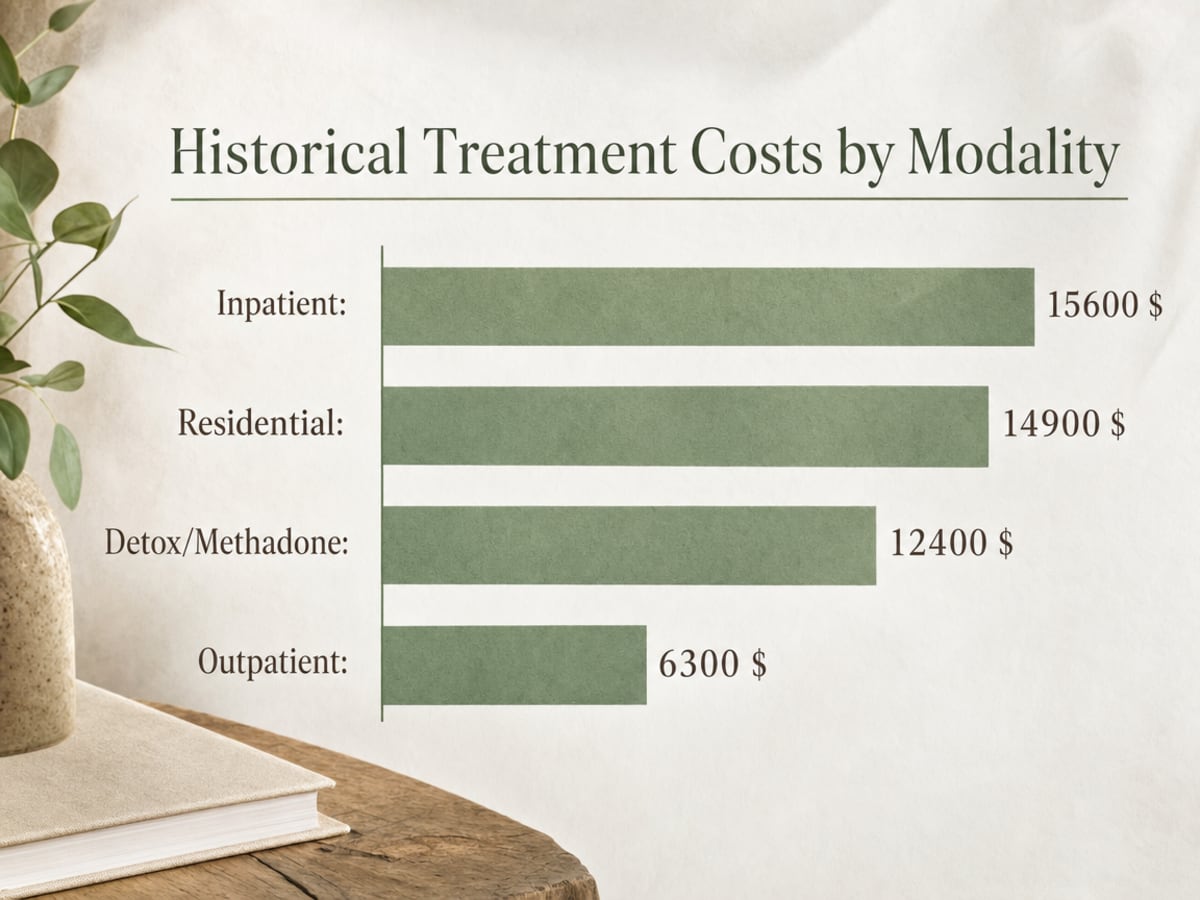
One peer-reviewed comparison of four treatment modalities reported average episode costs of roughly $15,600 for inpatient treatment, $14,900 for residential treatment, $12,400 for detox or methadone treatment, and $6,300 for outpatient care 4. Those figures tell you something real: setting and clinical intensity are the biggest levers on price. Inpatient and residential cost more than outpatient because more staff, more hours, and more overhead go into them.
What those figures don’t tell you is what your bill will look like in 2025 at a specific program in Montana. They’re historical, directional, and drawn from a research population that isn’t you.
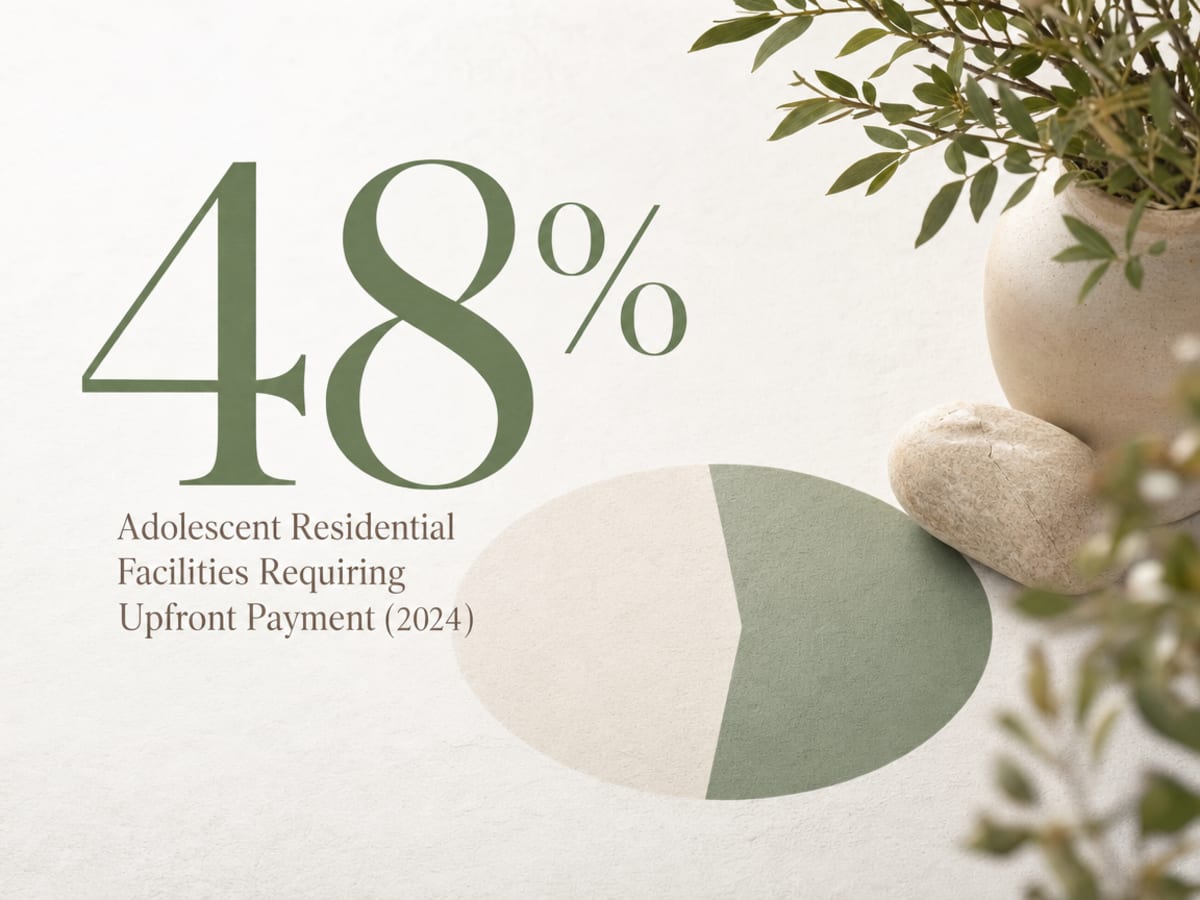
A more recent NIDA-supported study of adolescent residential facilities in the U.S. reported an average quoted daily cost of $878 and a monthly stay above $26,000, with 48% of facilities requiring partial or full payment upfront 3. That’s a sharper, newer benchmark, but it’s about adolescent programs, not adult residential care in the Mountain West.
The takeaway isn’t that published prices are wrong. It’s that they’re answering a different question than yours. They tell you the shape of the market. They don’t tell you your out-of-pocket. When you see a scary five-figure number, remember what it actually measures — an average across programs, patients, and years that may not include yours at all.
The Five Variables That Actually Move Your Bill
Level of Care
The biggest lever on your bill is which level of care you actually need. Medical detox with 24-hour physician oversight costs more per day than residential treatment. Residential costs more than a partial hospitalization program, which costs more than intensive outpatient. Each step down means fewer staff hours per patient, less overnight coverage, and fewer facility hours you’re paying for.
Here’s the part that helps: the highest level of care isn’t always the right one. A clinician’s job during your intake is to place you where you’ll actually get better, not where the bill runs highest. If you don’t need medical detox, you shouldn’t be paying for it. If residential is what your situation calls for, stepping down too early can cost you more in the long run through relapse and readmission.
Length of Stay
How long you stay is the second-biggest number in the equation, and it’s usually the one people underestimate.
A 2025 systematic review of substance-use-disorder treatment economics identified length of stay as a major cost driver and found that shifting some care from inpatient to outpatient settings was associated with a 1.6- to 12-fold decrease in service costs 5. That’s a wide range, and it should be. Two weeks of residential care and 90 days of residential care are not the same bill, and they’re not the same clinical plan either.
Your stay length gets set by clinical need, not by a round-number package. Some people stabilize in 28 days. Some need 60 or 90. Insurance often authorizes in shorter increments and reviews progress before extending. When you ask a program for a cost estimate, ask what a typical stay looks like for someone with your history, and what happens if you need longer.
Insurance Status and Plan Design
Your insurance is the variable that turns a scary sticker price into a number you can actually plan around. Two people can walk into the same program on the same day and owe very different amounts, because their plans are built differently.
Plan type sets the rules. Traditional Medicare beneficiaries, for example, generally faced a $1,632 deductible for an acute or psychiatric inpatient hospital stay of up to 60 days in 2024, with coinsurance kicking in for longer stays 1. Private commercial plans, employer plans, and Medicaid all work differently again. What matters for your bill is your specific plan’s deductible, your coinsurance percentage, your out-of-pocket maximum, and whether the program is in your network. None of that shows up on a facility’s public price page. All of it shows up on a benefits check.
Which Services Are Included
Two programs can both call themselves “residential” and include very different things. That’s the fourth variable, and it’s where sticker prices start to make more sense.
One program’s daily rate might cover room and board, group therapy, and a weekly check-in with a counselor. Another program’s rate at the same daily number might also include on-site medical detox, medication-assisted treatment, individual therapy several times a week, dual-diagnosis care for co-occurring depression or anxiety, family sessions, and a case manager building your discharge plan from day one. Same category. Very different care.
When you compare quotes, ask what’s bundled and what’s billed separately. Medications, psychiatric evaluations, lab work, and specialty therapies are common add-ons at some programs and included at others. A lower daily rate with a long list of extras can end up higher than a higher rate that includes everything.
Location and Program Type
Location moves the number, too. Real estate, wages, and licensing costs vary by state and by market, and residential programs price accordingly. A program in a high-cost metro will usually quote higher than one in a smaller market, even when the clinical model looks similar on paper.
Program type matters alongside location. A non-profit community program, a hospital-affiliated unit, and a private residential program in Montana are three different business models with three different cost structures. None of that tells you which one fits you. It just explains why the numbers you’re comparing aren’t apples to apples, and why a Montana quote won’t match a Los Angeles quote for the same length of stay.
A Cost-Driver Comparison You Can Actually Use
Here’s a simple way to hold the five variables side by side. The dollar figures below are historical, directional benchmarks from a peer-reviewed comparison of treatment modalities 4 — not a quote for your situation in 2025. Use them to see how setting and intensity shape the shape of a bill, then get a personalized estimate for the real number.
| Level of Care | Typical Length | Historical Episode Cost | What Drives the Price |
|---|---|---|---|
| Hospital inpatient | Days to a few weeks | ~$15,600 | 24-hour physician coverage, hospital overhead, acute medical monitoring |
| Residential treatment | 28–90 days | ~$14,900 | Overnight non-hospital care, staffing ratio, included therapies |
| Detox / methadone | 3–10 days (detox) | ~$12,400 | Medical stabilization, medication management |
| Outpatient | Weeks to months | ~$6,300 | Fewer staff hours, no room and board |
Read across the row that fits your clinical need. Then remember: insurance can shift any of these numbers dramatically, and a 15-minute benefits check will tell you far more than a table ever can.
How Insurance Really Works for Inpatient Rehab
Network Status: In or Out
Before anything else, your insurance asks one question: is this program in our network? If the answer is yes, your plan has already negotiated a rate with that facility, and your share of the bill follows the in-network math on your card. If the answer is no, you can still get care, but you’ll usually pay more, and some plans won’t apply what you spend toward your deductible or out-of-pocket maximum at all.
Call the program and ask them to run a benefits check for you. They do it every day, and they’ll tell you exactly where you stand before you commit to anything.
Prior Authorization and Medical Necessity
Most insurance plans require prior authorization before they’ll pay for inpatient or residential rehab. That means a clinician at the program submits your history, your assessment, and the reason you need this level of care to your insurer, and the insurer decides whether it meets their definition of “medically necessary.”
This step sounds bureaucratic, and it is. It’s also usually handled entirely by the program’s admissions team. You don’t have to make the case yourself. What you do want to know: how long does authorization typically take, what happens if the initial request is denied, and does the program help with appeals? Good programs answer those questions without hesitation.
Deductible, Coinsurance, and Copays
Three numbers on your insurance card decide most of what you’ll owe.
- Deductible
- What you pay before insurance starts sharing the bill.
- Coinsurance
- The percentage you keep paying after that, usually until you hit your out-of-pocket maximum.
- Copays
- Flat fees for specific services.
Plan type changes the math a lot. A commercial plan through your employer might have a $3,000 deductible and 20% coinsurance up to a $6,000 out-of-pocket max. A Medicaid plan may have no deductible at all.
The point isn’t to memorize the categories. It’s to know that a benefits verification will translate your specific card into a specific estimated dollar amount for a specific program. That’s the number you can actually plan around.
Length-of-Stay Limits and Concurrent Review
Insurance rarely authorizes a full 30, 60, or 90 days up front. Instead, plans approve care in shorter chunks — often a week or two at a time — and then do what’s called a concurrent review, where the program shares your progress and asks for the next block of days.
That’s not a signal that they’re trying to push you out. It’s how utilization management works across most inpatient care. What matters for you: ask the program how often they’ve had extensions approved for people with similar clinical needs, and what happens on the days between reviews. Nothing about your care should stop while paperwork moves.
You Are Not Alone in Feeling Priced Out
If reading through deductibles and authorizations just made your chest tighten, pause here. That feeling is data. It’s telling you that money is a real barrier, and you’re not imagining how heavy it is.
You don’t have to stop there. Not having insurance, having a high deductible, or being between jobs doesn’t automatically close the door. Sliding-scale rates, payment plans, single-case agreements with out-of-network insurers, health-sharing arrangements, and financing all exist, and a good admissions team will walk through every one of them with you.
What Justifies a Higher Price (and What Doesn’t)
Not every expensive program is worth it, and not every cheap one is a bargain. What actually justifies a higher daily rate is what happens inside the walls.
A 2024 systematic review of why people leave inpatient and residential treatment early pointed to specific facility-level problems: unaddressed withdrawal symptoms, no access to medications for opioid-use disorder, undertrained staff, and thin preparation for real-world triggers after discharge 8. Flip that list around and you get a quality screen you can actually use on a phone call.
Ask any program you’re considering:
- How do you manage withdrawal, and is a physician on-site or on-call?
- Do you offer medication-assisted treatment, and which medications?
- What’s your staff-to-client ratio, and what credentials do your clinicians hold?
- Do you treat co-occurring depression, anxiety, or trauma alongside the substance use?
- What does discharge planning look like, and does it start on day one or day 25?
A higher price that answers those questions with specifics is buying you something. A higher price that dodges them is buying you a nicer lobby.
The other side is just as true. A lower price isn’t automatically a red flag. Non-profits, community programs, and Medicaid-contracted facilities can deliver excellent care at rates well below private residential programs. What matters is the match between what the program actually provides and what your clinical situation actually needs. Ask the same questions of a lower-cost program that you’d ask of a luxury one, and let the answers — not the daily rate — tell you whether it fits.
The Cost of Doing Nothing
There’s another number nobody puts on a rehab quote: what active addiction is already costing you.
It’s the ER visits and the missed shifts. The car repair after the accident. The lawyer’s retainer. The rent that got late twice. The relationships that are quietly stretching thin. None of that shows up as a single line item, but it adds up to a bill you’re already paying, month after month, whether you sign anything or not.
You’re allowed to weigh a real number against a real number. Not a scary sticker price against silence. The cost of asking one more question is fifteen minutes. The cost of not asking keeps compounding.
Your Next 15 Minutes: What a Free Benefits Call Actually Covers
You’ve read this far, and that already counts. The next step is smaller than it feels.
A benefits and cost conversation with Elk Ridge Recovery takes about fifteen minutes and doesn’t ask you to commit to anything. Here’s what it actually covers, so you know before you dial:
- A real benefits check. The admissions team runs your insurance card and tells you whether Elk Ridge is in your network, what your deductible and coinsurance look like on paper, and roughly what your out-of-pocket could be for the level of care you may need.
- A level-of-care conversation. A brief clinical intake helps sort whether you’re looking at medical detox, residential, PHP, or IOP — so the estimate matches your actual situation, not a worst-case guess.
- Financing and options if insurance falls short. Payment plans, single-case agreements, and other paths get named plainly, not hidden behind fine print.
No obligation. No pressure. Just a real number for your real situation — the answer the internet couldn’t give you.
Talk with someone who truly understands costs
Get real answers about your rehab cost and next steps—no pressure, just support.
Frequently Asked Questions
Will my insurance actually cover inpatient rehab?
Most commercial, Medicaid, and Medicare plans cover some form of inpatient or residential addiction treatment, but coverage depends on your specific plan, network status, and whether the program can document medical necessity. A benefits check with the admissions team translates your card into a real estimate. That’s the only way to know what your plan will actually pay.
What’s the difference between hospital inpatient and residential treatment when it comes to cost?
Hospital inpatient means care inside a hospital, with 24-hour physicians and acute medical monitoring, and it costs more because hospitals cost more. Residential treatment is overnight care in a non-hospital setting supervised by a treatment provider 7. Both include structured clinical care, but daily rates and what your insurance authorizes usually look quite different between the two.
How long is a typical inpatient rehab stay, and how does that affect what I pay?
Stays commonly run 28, 60, or 90 days, but the right length is set by your clinical needs, not a package. Length of stay is one of the biggest cost drivers in the research 5. Insurance often authorizes in shorter chunks and reviews progress before extending, so your total bill grows in pieces rather than all at once.
What if I don’t have insurance or can’t afford the deductible?
You still have options. Sliding-scale rates, payment plans, single-case agreements with out-of-network insurers, health-sharing arrangements, and financing all exist and get used every day. Roughly 40% of people who knew they needed substance-use treatment didn’t get it partly because of cost 2 — but a real admissions conversation can name specific paths before you rule anything out.
Why do some rehab programs cost so much more than others?
Higher rates usually reflect staffing ratios, on-site medical detox, medication-assisted treatment, dual-diagnosis care, and thorough discharge planning — the same factors a 2024 review linked to whether people stay engaged in treatment 8. Sometimes a higher price buys better clinical care. Sometimes it buys a nicer lobby. Ask specific questions and let the answers, not the daily rate, decide.
How do I get a real cost estimate for my specific situation?
Call an admissions team and ask for a benefits verification. In about fifteen minutes, they’ll check your network status, walk through your deductible and coinsurance, sketch a level-of-care recommendation, and give you an estimated out-of-pocket range. No commitment required. That estimate — built from your actual plan and clinical situation — is the number you can plan around.
References
- Behavioral Health: Information on Cost-Sharing in Medicare and Medicare Advantage. https://www.gao.gov/products/gao-24-106794
- Behavioral Health: Research on Health Care Costs of Untreated Conditions is Limited. https://www.gao.gov/products/gao-19-274
- Residential addiction treatment for adolescents is scarce and expensive. https://nida.nih.gov/news-events/news-releases/2024/01/residential-addiction-treatment-for-adolescents-is-scarce-and-expensive
- Effectiveness and Cost-effectiveness of Four Treatment Modalities for Substance Abuse. https://pmc.ncbi.nlm.nih.gov/articles/PMC1360883/
- A systematic review of the economic evidence surrounding the treatment of substance use disorders. https://pmc.ncbi.nlm.nih.gov/articles/PMC12117296/
- Economic benefits of substance use disorder treatment. https://pmc.ncbi.nlm.nih.gov/articles/PMC10530001/
- Residential and inpatient treatment of substance use disorders: a systematic review. https://pmc.ncbi.nlm.nih.gov/articles/PMC10782522/
- Barriers to retention in inpatient and residential drug treatment: a systematic review. https://pubmed.ncbi.nlm.nih.gov/39033853/
- Sex differences in variables affecting short-term success in substance use disorder treatment. https://pubmed.ncbi.nlm.nih.gov/37626474/
- Predictors of alcohol and other drug treatment completion across age groups and treatment settings. https://pubmed.ncbi.nlm.nih.gov/38946548/