Key Takeaways
- Effective benzodiazepine treatment depends less on physical distance and more on a program’s ability to coordinate safely with your existing prescribers and pharmacies.
- Stopping benzodiazepines abruptly can trigger seizures and severe withdrawal, which is why the FDA requires a boxed warning and supervised tapering is the safer path 1.
- A quality program starts with a full medical assessment, builds an individualized taper, and pairs dose reductions with behavioral therapy like CBT to address underlying anxiety 7.
- Disclosing all substances at intake, including alcohol, opioids, and illicit pills, is critical because combined use sharply raises overdose risk and reshapes the taper plan 9, 10.
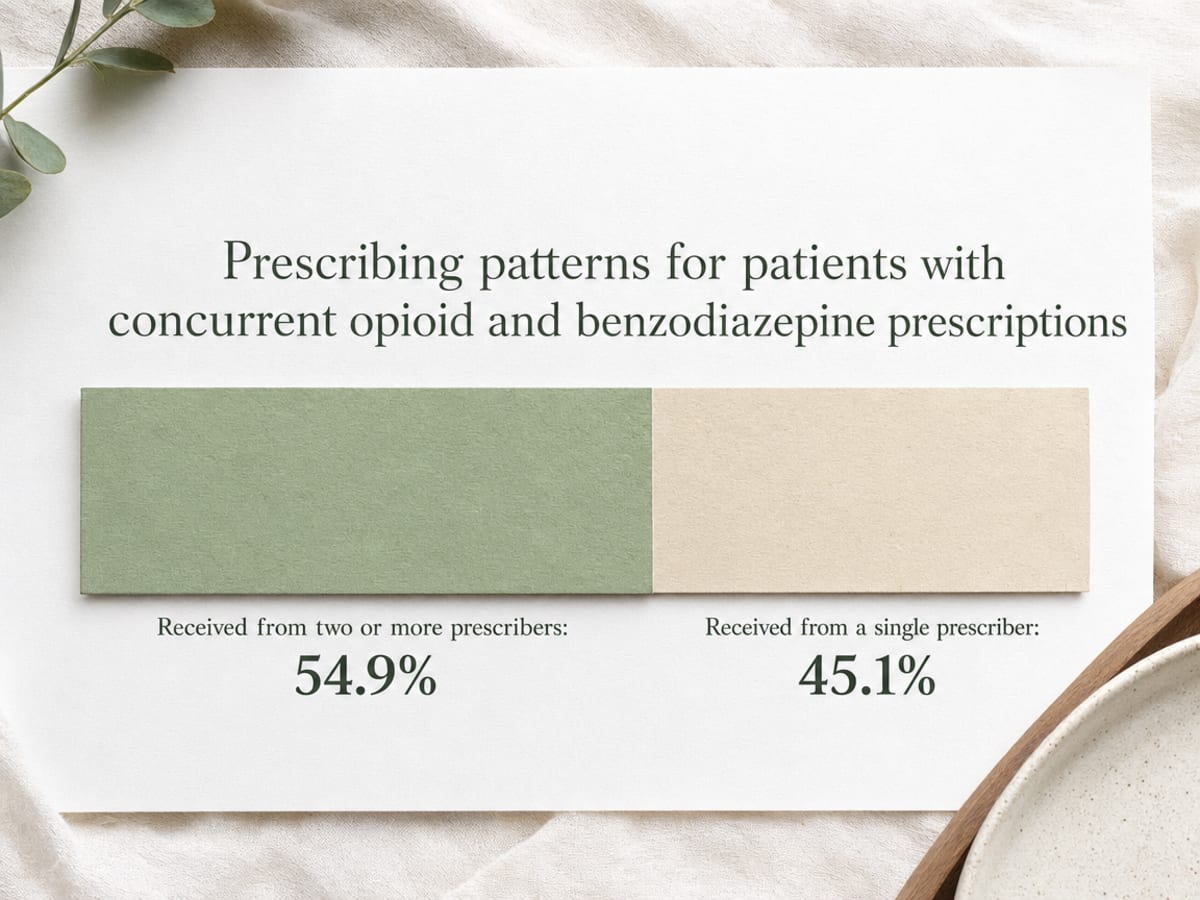
- Coordinating with every prescriber prevents fragmented care, since more than half of patients on concurrent opioids and benzodiazepines receive them from multiple prescribers 11.
- In Montana, using the Prescription Drug Registry alongside direct prescriber outreach closes information gaps before a taper begins and blocks accidental re-prescriptions 12.
- Recovery continues past detox through a stepped continuum—residential, PHP, IOP, outpatient, and alumni support—because sustained engagement drives long-term outcomes 5.
- Before committing to any program, ask specific questions about who designs the taper, how prescribers are contacted, what therapy is included, and how discharge handoffs happen 6.
Why “near me” really means “close enough to coordinate your care”
When you search for “benzodiazepine addiction treatment near me,” you’re likely looking for a convenient location. However, the critical distance isn’t geographical proximity, but rather the ability of treatment providers to coordinate effectively with your existing healthcare team.
Consider the various professionals involved in your current prescription: your prescribing doctor, the pharmacy, perhaps a psychiatrist, pain specialist, or primary care physician. If you’ve been taking medications like alprazolam, clonazepam, lorazepam, or diazepam for an extended period, your body has adapted. Abruptly stopping can trigger severe withdrawal reactions, including seizures, as highlighted by the FDA’s boxed warning for this drug class 1.
Therefore, an effective program “near you” is one that can communicate with your prescribers, access your dispensing history, and collaboratively develop a safe tapering plan. This level of coordination is essential for safety. A facility that lacks this capability, even if geographically closer, is less effective than one further away that prioritizes comprehensive care coordination.
Elk Ridge Recovery extends its services across Montana, Idaho, North Dakota, South Dakota, and Wyoming to ensure this crucial coordination. The concept of “local enough to coordinate” encompasses a broader area than many anticipate, but it is precisely the scope of care that offers genuine safety and efficacy.
The safety reason you shouldn’t taper alone
Physical dependence on benzodiazepines can develop rapidly, sometimes within days or weeks, even when taken as prescribed. The FDA issues a boxed warning, its strongest caution, indicating that sudden cessation or rapid dose reduction can lead to withdrawal symptoms, including seizures 1. This warning applies to all benzodiazepines, such as alprazolam, clonazepam, lorazepam, and diazepam.
Attempting to stop benzodiazepines without medical supervision carries significant risks. While some individuals may appear to quit successfully on their own, this often involves considerable luck or unreported adverse outcomes.
The safer approach involves a medically supervised, gradual taper. The National Institute on Drug Abuse (NIDA) emphasizes that individuals dependent on central nervous system (CNS) depressants like benzodiazepines require supervised detoxification. This is because the dose must be reduced slowly, under the guidance of professionals who can monitor for complications 4. Unlike opioid use disorder, for which specific medications like buprenorphine exist, there is no FDA-approved medication specifically for benzodiazepine use disorder. Consequently, the tapering process itself, combined with expert clinical oversight, constitutes the primary treatment.
Medical supervision during tapering is crucial for managing expected withdrawal symptoms. These can include:
- Rebound anxiety, which may feel more intense than initial anxiety
- Prolonged insomnia
- Tremors
- Blood pressure fluctuations
- The aforementioned seizure risk, particularly if the dose is reduced too quickly or stopped abruptly
Seeking professional help for benzodiazepine withdrawal is a proactive step towards recovery, not a sign of weakness. It ensures safety and increases the likelihood of successful long-term recovery.
What a well-run benzodiazepine program actually does
A medical assessment before anyone touches your dose
Before any dose adjustments are made, a reputable program conducts a thorough medical assessment. This goes beyond a brief questionnaire, involving a detailed evaluation of your medical history and current health status.
A clinician will inquire about your current benzodiazepine regimen, including dosage, duration of use, and any experiences with missed doses. They will also review all other medications you are taking, as benzodiazepines can interact with various substances such as opioids, alcohol, sleep aids, muscle relaxants, and certain antidepressants. The assessment typically includes a physical examination, vital signs, and often laboratory tests to evaluate liver and kidney function.
Crucially, the assessment will cover any history of seizures, either personal or familial, and any unusual sensations experienced during previous attempts to stop the medication. This information is vital for determining the necessary caution and pace of the taper.
The 2025 joint clinical practice guideline on benzodiazepine tapering, supported by the FDA, emphasizes ongoing risk-benefit assessment and shared decision-making between the patient and the care team 2. This collaborative approach ensures that the tapering plan is developed with your input and tailored to your specific needs.
An individualized taper written for your body, not a template
Effective benzodiazepine tapering is highly individualized. There is no one-size-fits-all approach. The specific medication, dosage, duration of use, co-occurring substances, age, medical conditions, sleep patterns, and anxiety history all influence the design of a safe taper. The 2025 tapering guideline explicitly states that dose reductions must be individualized 2, a point reinforced by NIDA, which stresses the biological necessity of gradual reduction under medical supervision 4.
Typically, this involves small, scheduled dose reductions with sufficient time between each step for your nervous system to adjust. The taper may be paused or held steady for a period to allow for stabilization. In some cases, switching to a longer-acting benzodiazepine like diazepam may be recommended due to its smoother blood levels, which can make reductions more tolerable. These adjustments are part of a responsive plan, not indicators of failure.
A well-managed taper also anticipates and addresses common symptoms such as rebound anxiety, sleep disturbances, muscle tension, and mood swings. These are expected reactions and are managed therapeutically, rather than being dismissed or attributed to a lack of effort.
If outpatient tapering is deemed unsafe—perhaps due to polysubstance use, an unstable home environment, or a history of severe withdrawal—the guideline supports transitioning to a higher level of care, such as residential detox 2. Recognizing the need for such support is a prudent decision.
Behavioral therapy that runs alongside the taper
Reducing the benzodiazepine dose is only one component of treatment. Addressing the underlying psychological factors is equally important. Many individuals begin benzodiazepine use to manage conditions like panic attacks, insomnia, or severe anxiety. As the dose decreases, these original symptoms may resurface, often with increased intensity. This is where behavioral therapy plays a crucial role.
A 2021 systematic review indicated that cognitive behavioral therapy (CBT) combined with a gradual taper significantly improved outcomes for individuals with anxiety disorders compared to tapering alone 7. While not a guaranteed solution, CBT provides practical tools for managing anxiety, such as techniques for slowing racing thoughts, coping with anxiety waves, and establishing healthy sleep routines without medication. NIDA recognizes counseling and behavioral therapies as essential supportive approaches for individuals withdrawing from CNS depressants 4.
A comprehensive program should integrate meaningful therapy alongside detoxification. Inquiring about the therapy schedule, the qualifications of the therapists, and the availability of continued therapy post-taper is advisable.
Polysubstance reality: what intake needs to hear out loud
Honesty during the intake process is paramount for safety, particularly regarding polysubstance use. It can be tempting to minimize or omit information about other substances, such as alcohol, opioids, or illicit pills, to present a simpler case. However, these combinations significantly increase risks and are crucial for the treatment team to understand.
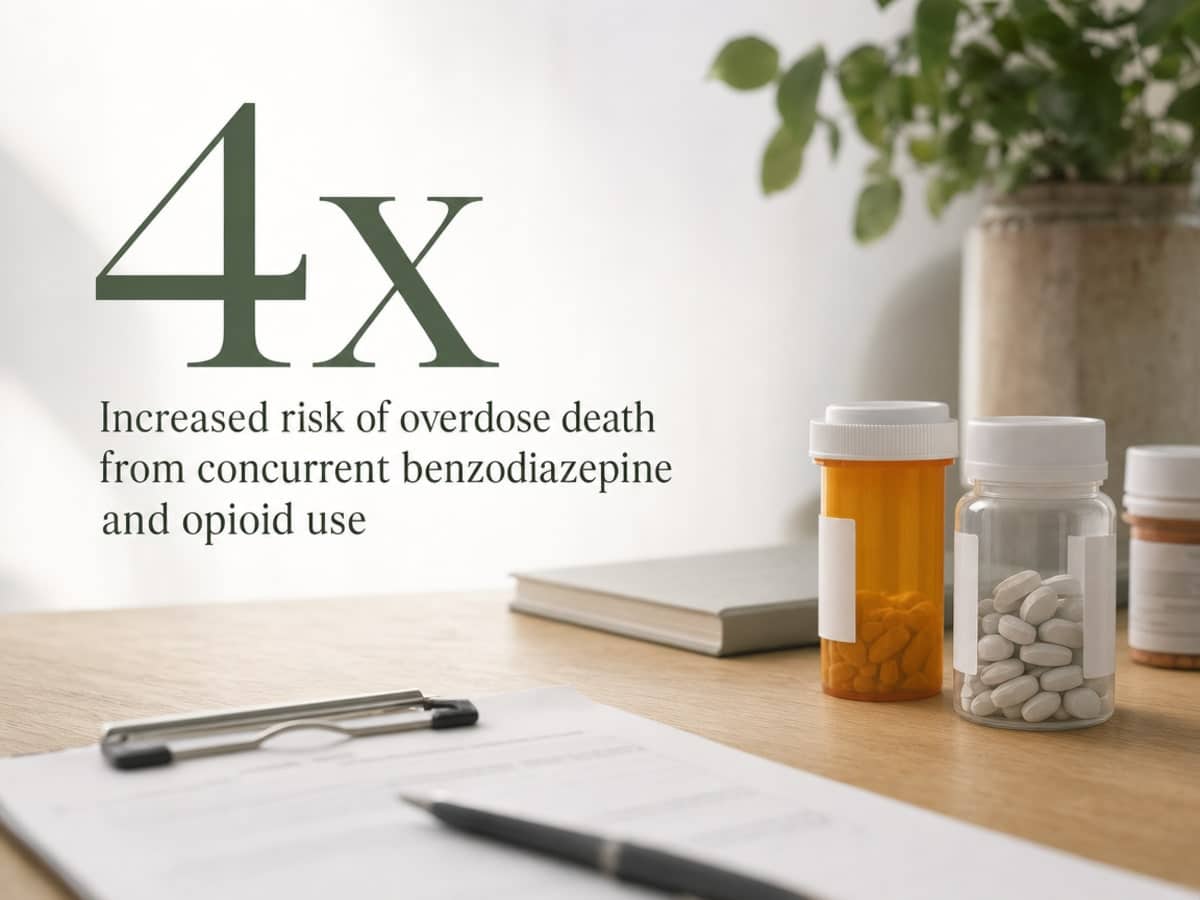
For instance, a case-cohort study cited in the CDC’s opioid prescribing guideline found that concurrent benzodiazepine and opioid prescriptions nearly quadrupled the risk of overdose death compared to opioid prescriptions alone 9. This heightened risk necessitates a more cautious tapering approach, closer monitoring, and potentially the presence of naloxone.
Alcohol consumption also poses a significant risk. Both alcohol and benzodiazepines act on similar brain receptors, meaning daily drinking while on a benzodiazepine prescription can be akin to taking two benzodiazepines. Withdrawing from both simultaneously requires a carefully constructed medical plan, not just willpower.
The use of illicit pills is another critical factor. A 2021 CDC report revealed that illicit benzodiazepines were detected in emergency department patients presenting with suspected opioid overdoses in four states 10. Counterfeit pills often contain undisclosed substances, and their potency can vary wildly. It is essential to inform the intake team about any substances obtained outside a pharmacy, not for judgment, but to ensure the tapering plan is based on accurate information and to prevent potentially fatal errors.
Disclosing all substances, dosages, and any gaps in memory about usage on day one allows the treatment team to create a comprehensive and safe tapering plan, ultimately protecting your life.
Why prescriber coordination is the piece most programs skip
Many individuals receive prescriptions from multiple healthcare providers who may not be aware of all medications being taken. For example, a primary care doctor might prescribe clonazepam, an urgent care physician might prescribe a muscle relaxer and a short course of opioids, and a psychiatrist might add a sleep medication, with each provider operating under the assumption that other medications are being managed elsewhere. This fragmented approach is common.
A CDC surveillance analysis of prescription-monitoring data across nine states found that over half (54.9%) of patients with concurrent opioid and benzodiazepine prescriptions received them from two or more distinct prescribers 11. This highlights the critical need for effective case management.
Effective coordination involves a staff member obtaining your signed release and contacting all relevant prescribers—your primary care office, psychiatrist, pain clinic, and pharmacies. The goal is to consolidate all information: current doses, refill dates, recent changes, and any other controlled substances. This comprehensive picture enables the addiction physician to develop a tapering plan that is communicated to and agreed upon by all outside prescribers, preventing accidental re-prescriptions during the taper.
SAMHSA’s TIP 27 explicitly identifies case management as encompassing assessment, service linkage, ongoing communication with existing providers, and planning for continuing care and discharge 6. These are not optional components but fundamental elements of a program designed for successful outcomes.
When evaluating programs, ask directly about their process for contacting your current doctors and when this outreach occurs. A vague response or the expectation that you handle this yourself indicates a potential gap in critical care coordination.
The Montana coordination layer: pharmacies, the MPDR, and your prescribers
For individuals receiving benzodiazepine care in Montana, a crucial resource is the Montana Prescription Drug Registry (MPDR). This state-controlled substance database requires prescribers (or their agents) to consult it before prescribing benzodiazepines, with some exceptions, and licensed pharmacies submit dispensing data to it 12. This means the physician overseeing your taper can access a complete record of all medications filled under your name across various pharmacies, providing a more accurate picture than memory or individual clinic records alone.
The MPDR is particularly valuable because memory can be unreliable, especially during stressful periods. It can reveal forgotten prescriptions, such as a short course of lorazepam from an emergency room visit, or refills obtained by a family member. The registry helps close these information gaps before the tapering plan is finalized.
A well-managed program combines MPDR lookups with direct communication with your healthcare providers, whether they are in Kalispell, Bozeman, Missoula, or Libby. The aim is to establish a unified, written plan that all parties agree upon, preventing any accidental re-prescriptions of benzodiazepines while your dose is being reduced.
Before committing to a Montana program, inquire whether they utilize the MPDR and coordinate with your prescribers prior to initiating the taper. Programs that do not are operating with incomplete information.
The continuum after detox: residential, PHP, IOP, and outpatient
Detoxification is merely the initial step in recovery, not the endpoint. After the taper is complete and acute withdrawal symptoms have subsided, the nervous system continues to readjust. Sleep disturbances and anxiety spikes are common during this period, making it a vulnerable time for relapse. NIDA emphasizes that while withdrawal management is important, sustained engagement in care and skill-building are essential for long-term recovery 5.
This is where the continuum of care becomes vital. Residential inpatient programs provide 24-hour clinical support, integrating meals, sleep, therapy, and medical monitoring into the daily routine. As stability increases, a partial hospitalization program (PHP) offers intensive clinical care during the day, allowing for more independence at night. An intensive outpatient program (IOP) further reduces the intensity, with several sessions per week, while standard outpatient care provides ongoing support for months afterward.
Each transition within the continuum is a clinical decision, not an automatic progression. The 2025 tapering guideline supports moving to a higher level of care if the current one proves insufficient 2. Similarly, if an individual struggles after stepping down to IOP, returning to PHP for a period is a strategic adjustment, not a failure.
Aftercare and alumni support form the final, long-term layer of the continuum. This can include weekly support groups, recovery coaching, and accessible contact for challenging periods. When considering programs, inquire about their aftercare provisions and alumni networks for sustained support.
How Elk Ridge Recovery handles the coordination work
When individuals seek treatment, they often arrive with a complex web of medical information, prescriptions, and past care experiences. Elk Ridge Recovery’s case management team is specifically designed to navigate this complexity.
Upon admission, a clinician conducts a comprehensive history, documenting all substances used—prescribed benzodiazepines, alcohol, opioids, sleep aids, and any illicit substances. This is combined with a medical assessment that evaluates dependence, overall health, and any co-occurring anxiety, depression, or trauma. This assessment forms the basis for an individualized tapering plan, developed in line with the shared decision-making principles outlined in the 2025 tapering guideline 2.
The case management team then undertakes the crucial task of coordination. With your signed release, a staff member contacts your prescribing doctors, pharmacies, and any existing behavioral health providers. For Montana residents, this includes accessing the Montana Prescription Drug Registry 12. This process creates a unified clinical picture, facilitating the assessment, service linkage, and provider communication that SAMHSA’s TIP 27 identifies as core to effective case management 6. The physician-led detox team then develops a tapering schedule that is communicated to and acknowledged by your outside prescribers, preventing any inadvertent re-prescriptions during the taper.
During the tapering process, residential care at Elk Ridge Recovery provides a supportive environment, including meals, sleep management, medical oversight, individual and group therapy, and behavioral interventions to aid coping during dose reductions. These counseling and behavioral therapies are recognized by NIDA as supportive approaches for CNS depressant dependence 4. If co-occurring conditions like anxiety, PTSD, or depression are present, dual diagnosis treatment is integrated concurrently.
Case management continues as you transition through levels of care—from residential to PHP, then to IOP, and finally to outpatient or virtual outpatient, particularly for those returning to Idaho, the Dakotas, or Wyoming. Each transition includes discharge planning, relapse prevention strategies, and warm handoffs to subsequent providers, fulfilling the continuing-care functions deemed essential by TIP 27 6. The alumni program and aftercare services offer ongoing support for sustained recovery.
This integrated approach ensures a single, coordinated plan, managed by a dedicated team familiar with your unique story, embodying the true meaning of “near me” in the context of comprehensive care.
Questions to ask any program before you commit
Before committing to a program, it is important to ask specific questions to ensure it meets your needs. A reputable program will welcome these inquiries.
Begin by asking about the tapering process: Who designs the taper, and how is the pace determined? Is the plan tailored to your specific medication, dosage, and history, aligning with the shared decision-making principles of the 2025 guideline 2? What protocols are in place if you experience difficulty tolerating a dose reduction—will the taper be paused, or will it continue as planned?
Inquire about communication with your existing healthcare providers: Which staff members will contact your prescribing doctor, pharmacy, and other clinicians? When does this outreach occur—before treatment begins, or at a later stage? Specifically for Montana care, confirm if they utilize the MPDR 12.
Ask about the therapeutic components integrated with the taper: Does the program offer individual therapy, dual diagnosis support for co-occurring anxiety, depression, or trauma, and behavioral interventions for sleep and coping mechanisms 4?
Finally, ask about post-detox care: What is the progression from residential to PHP to IOP? Who is responsible for discharge planning and facilitating warm handoffs to providers in your home community 6?
Clear and detailed answers to these questions indicate a well-structured and coordinated program. Vague responses suggest further investigation is warranted.
Reach a Specialist for Benzodiazepine Support Now
Get answers and guidance for safe, effective benzodiazepine treatment when you need it most.
Frequently Asked Questions
Is it dangerous to stop taking benzodiazepines on my own?
Yes, it is highly dangerous. The FDA’s boxed warning for benzodiazepines explicitly states that physical dependence can develop rapidly, and abrupt cessation or overly rapid dose reduction can trigger severe withdrawal reactions, including seizures 1. Always consult a medical professional or treatment program before making any changes to your benzodiazepine regimen.
How long does a benzodiazepine taper usually take?
There is no fixed timeline for a benzodiazepine taper, as it is highly individualized. The 2025 clinical practice guideline emphasizes personalized tapering plans and shared decision-making, considering factors such as the specific medication, dosage, duration of use, and your overall health 2. Tapers can range from several weeks to many months, and pauses in the reduction schedule are often a planned part of the process.
What should I tell the intake team if I’m also using opioids, alcohol, or street pills?
It is crucial to disclose all substances you are using, including dosages and any gaps in your memory regarding their use. Concurrent use of opioids and benzodiazepines significantly increases the risk of overdose 9, and illicit or counterfeit benzodiazepines have been implicated in emergency department overdose cases 10. The intake team needs this complete information to develop a safe and effective tapering plan that accounts for all substances in your system, ensuring nothing is overlooked.
Will the treatment program actually talk to my prescribing doctor?
A reputable program should coordinate directly with your prescribing doctor, and you should confirm this before committing. SAMHSA’s TIP 27 identifies provider communication, service linkage, and continuing care as essential functions of case management 6. This means a staff member, with your signed consent, will contact your primary care physician, psychiatrist, and pharmacy to establish a shared tapering plan, preventing any accidental re-prescriptions of benzodiazepines during your treatment.
Do I have to travel to Montana, or can I find help closer to home?
You have options for treatment. Elk Ridge Recovery serves adults from Montana, Idaho, North Dakota, South Dakota, and Wyoming, offering virtual outpatient care that can continue after you return home. The primary consideration is not geographical distance, but whether the program prioritizes coordination with your existing prescribers, utilizes state prescription registries where applicable 12, and facilitates warm handoffs to local providers as you transition through levels of care.
What happens after detox ends?
Detoxification is the initial phase of recovery. NIDA emphasizes that while managing withdrawal is important, sustained engagement in care is crucial for lasting change 5. Typically, individuals transition from residential care to a partial hospitalization program (PHP), then to intensive outpatient (IOP), and finally to standard or virtual outpatient care, supported by aftercare and alumni programs. Each step is determined by your progress and needs, rather than a rigid timeline.
References
- FDA requiring Boxed Warning updated to improve safe use of benzodiazepine drug class. https://www.fda.gov/drugs/drug-safety-and-availability/fda-requiring-boxed-warning-updated-improve-safe-use-benzodiazepine-drug-class
- Joint Clinical Practice Guideline on Benzodiazepine Tapering. https://pubmed.ncbi.nlm.nih.gov/40526204/
- Supporting Clinical Practice Guidelines for Drugs with Abuse Potential. https://www.fda.gov/drugs/food-and-drug-administration-overdose-prevention-framework/supporting-clinical-practice-guidelines-drugs-abuse-potential
- Misuse of Prescription Drugs. https://www.nida.nih.gov/sites/default/files/2609-misuse-of-prescription-drugs.pdf
- Treatment and Recovery. https://nida.nih.gov/publications/drugs-brains-behavior-science-addiction/treatment-recovery
- TIP 27: Comprehensive Case Management for Substance Abuse Treatment. https://library.samhsa.gov/sites/default/files/sma15-4215.pdf
- Does cognitive behavioral therapy for anxiety disorders assist discontinuation of benzodiazepines? A systematic review and meta-analysis. https://pmc.ncbi.nlm.nih.gov/articles/PMC8048602/
- CDC Clinical Practice Guideline for Prescribing Opioids for Pain — United States, 2022. https://www.cdc.gov/mmwr/volumes/71/rr/rr7103a1.htm
- CDC Guideline for Prescribing Opioids for Chronic Pain. https://www.cdc.gov/mmwr/volumes/65/rr/rr6501e1.htm
- Notes from the Field: Illicit Benzodiazepines Detected in Patients Evaluated in Emergency Departments for Suspected Opioid Overdose — Four States, October 6, 2020–March 9, 2021. https://www.cdc.gov/mmwr/volumes/70/wr/mm7034a4.htm
- Introduction. https://stacks.cdc.gov/view/cdc/83586/cdc_83586_DS4.xml
- Montana Prescription Drug. https://dphhs.mt.gov/assets/publichealth/EMSTS/opioids/MPDRSUDTaskforce2024.pdf